
As an Amazon Associate I earn from qualifying purchases.
Becoming a caregiver spouse is not something most people plan for. One day you’re equals—partners sharing responsibilities, routines, and dreams—and the next, illness or decline quietly reshapes your entire relationship. Love remains, but it changes. Suddenly, you’re navigating marriage and caregiving at the same time, often without guidance or support.
Being a caregiver spouse is emotionally complex, physically demanding, and deeply personal. Without intentional balance, it can slowly consume every part of your life—something many caregivers experience, especially those caregiving without a support system.
👉 Related read: Caregiving Without a Support System: How to Cope, Stay Strong, and Protect Your Well-Being
When Love Becomes Caregiving
Caregiving as a spouse doesn’t begin with a clear moment—it unfolds gradually:
- Taking over medications
- Coordinating medical appointments
- Managing finances and household tasks
- Providing physical and emotional support
Over time, these responsibilities increase, and the line between spouse and caregiver blurs. Many caregiver spouses silently grieve the partnership they once had while continuing to love their partner fiercely—a reality also explored in How Caregiving Transformed My Soul.
The Emotional Weight of Being a Caregiver Spouse
Caregiver spouses often carry emotions they rarely express:
- Grief for the life you once shared
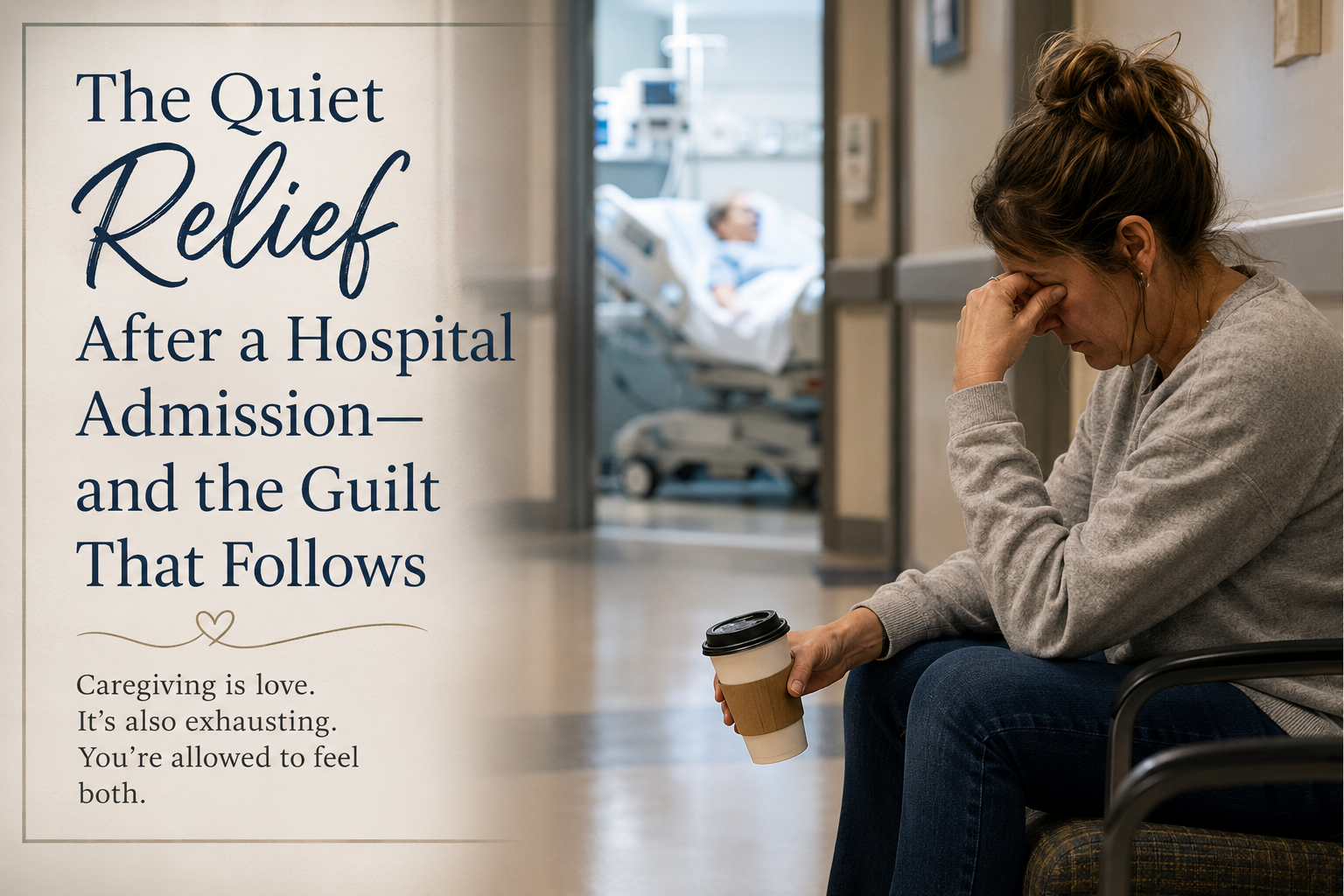
- Guilt for feeling frustrated or resentful
- Loneliness, even while living together
- Fear about the future
- Emotional exhaustion from constant responsibility
Because the bond is marital, caregiver spouses often feel they must “do it all.” This emotional overload closely mirrors the experiences discussed in Non-Caregivers Don’t Realize What This Life Requires.
How Caregiving Changes the Marriage
Caregiving can quietly shift a marriage from partnership to a caregiver–patient dynamic. Conversations become task-focused. Intimacy may change or disappear altogether. Decision-making may feel one-sided.
Many caregiver spouses grieve the loss of:
- Shared independence
- Spontaneity
- Emotional reciprocity
- Physical closeness
These changes often collide with family expectations, a theme explored further in When Caregiving and Family Collide: Navigating Family Dynamics and Stress.
Why Life Balance Is Harder for Caregiver Spouses
Unlike other caregivers, spouse caregivers live inside the role 24/7. There is no clear “off” time. Home is not a break—it’s where caregiving continues.
Without intentional balance, caregiver spouses often experience:
- Identity loss
- Chronic stress
- Emotional numbness
- Burnout
This is why balance is not optional. It is essential for long-term caregiving sustainability, as discussed in Caregivers Need Stress Relief—Here’s Why It Matters.
Life Balance Strategies for Caregiver Spouses
1. Redefine What Balance Really Means
Balance doesn’t mean equal time—it means protecting some part of your day that belongs to you. Even brief moments matter.
👉 Helpful insight: Self-Care for Caregivers: How to Protect Your Well-Being
2. Schedule Yourself Like an Appointment
Caregiver spouses schedule doctors, medications, and routines—but often forget themselves. Treat your own care as non-negotiable.
3. Create Mental Separation
Even if you can’t leave the house, emotional separation helps regulate stress. Small routines can restore calm and prevent burnout.
👉 Related: Why Caregiver Socialization Matters: Building Connection and Emotional Strength
4. Stop Measuring Your Worth by Productivity
Caregiving culture often equates worth with output. Rest is not laziness—it’s necessary.
This mindset shift aligns with themes from Overly Caring Caregivers: When Compassion Becomes Harmful.
5. Preserve Parts of Your Identity
You are more than a caregiver. Protect something that belongs only to you—creativity, faith, learning, or quiet reflection.
6. Set Emotional Boundaries (Even With Your Spouse)
Boundaries protect both caregiver and relationship. Saying “no” is not abandonment—it’s preservation.
👉 Explore more: Caregiving Without a Support System: Staying Strong Without Burning Out
7. Accept Imperfection Without Guilt
Some days will be harder than others. Feeling resentment or exhaustion does not mean failure—it means you are human.
8. Seek Outside Emotional Support
Your spouse may no longer be able to support you emotionally—and that loss is painful. Finding support elsewhere is necessary.
Online communities, therapy, or trusted friends can provide the validation discussed in Caregivers Need Support Too: Why Emotional Support Matters.
Holding Onto Connection Without Pressure
Connection doesn’t have to look the way it once did. Quiet companionship still counts:
- Sitting together
- Listening to music
- Holding hands
- Sharing memories
Connection doesn’t require energy—it requires intention.
You Are Still a Person, Not Just a Caregiver
Caregiver spouses often disappear inside the role. Remember:
- You are still a partner
- You are still an individual
- Your needs still matter
This reminder echoes the message in Caregiving Shaped My Soul, where growth and grief coexist.
Final Thoughts
Being a caregiver spouse is one of the hardest expressions of love. It’s layered with devotion, grief, exhaustion, and resilience. Balance won’t be perfect—but small, intentional choices can protect your emotional health and identity.
You are doing the work of love under impossible circumstances.
You deserve rest.
You deserve support.
And you deserve a life that still includes you.
Need more caregiving help and daily support?
I share real caregiving tips, tools, and encouragement every day.
👉 Follow The Piney Chemist on Facebook: The Piney Chemist | Caregiving Made Easier
Amazon and the Amazon logo are trademarks of Amazon.com, Inc, or its affiliates.


Leave a Reply