
-
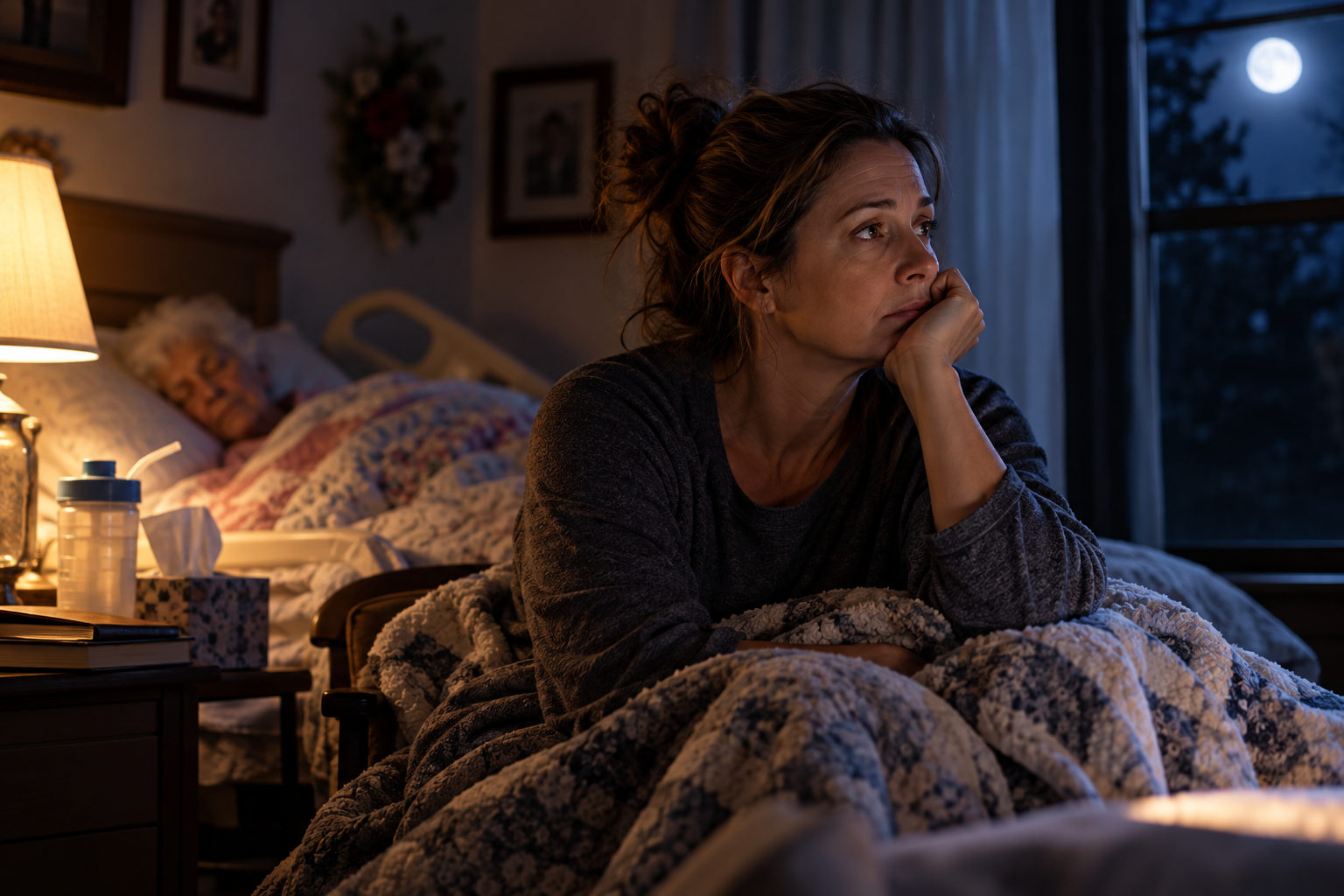
Why Nighttime Feels Emotionally Harder for Caregivers
There was something about nighttime that made caregiving feel heavier. During the day, I could stay busy. There were medications to give, things to clean, phone calls to make, appointments to think about, supplies to keep track of, and a hundred little problems demanding my attention. But nighttime was different. The house got quiet. And…
-

The Fear of Making the Wrong Decision for Someone You Love
There is a part of caregiving that doesn’t get talked about nearly enough. It’s not the bathing. It’s not the medications. It’s not the appointments, the paperwork, the interrupted sleep, or even the physical exhaustion. It’s the decisions. The decisions you have to make for someone you love when you have absolutely no way of…
-
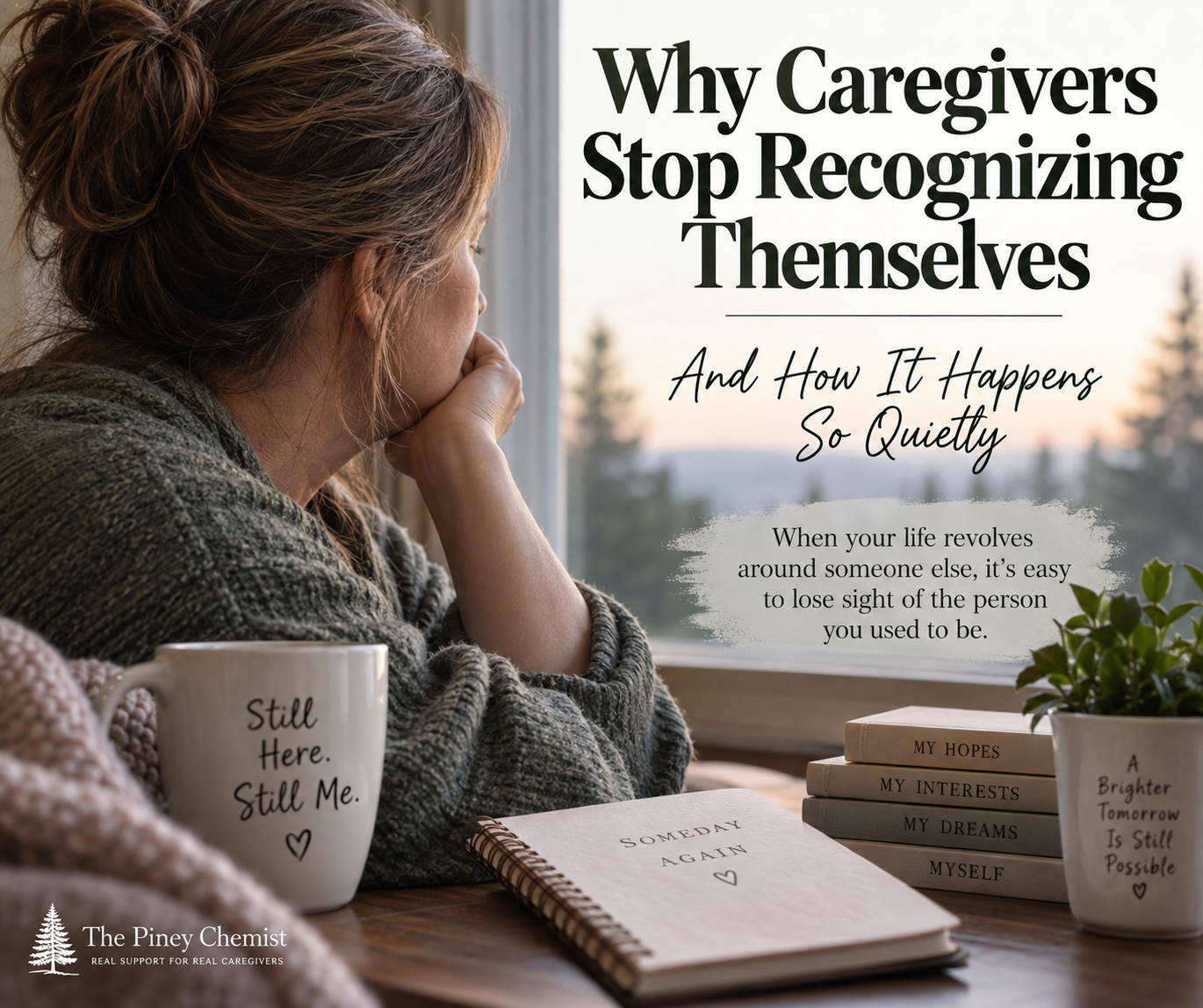
Why Caregivers Stop Recognizing Themselves — And How It Happens So Quietly
There is a point in long-term caregiving that nobody really warns you about. You look at your life and realize almost everything revolves around someone else. Their medications. Their meals. Their appointments. Their sleep. Their symptoms. Their needs. Their bad days. Their emergencies. And somewhere along the way, without making a conscious decision to do…
-
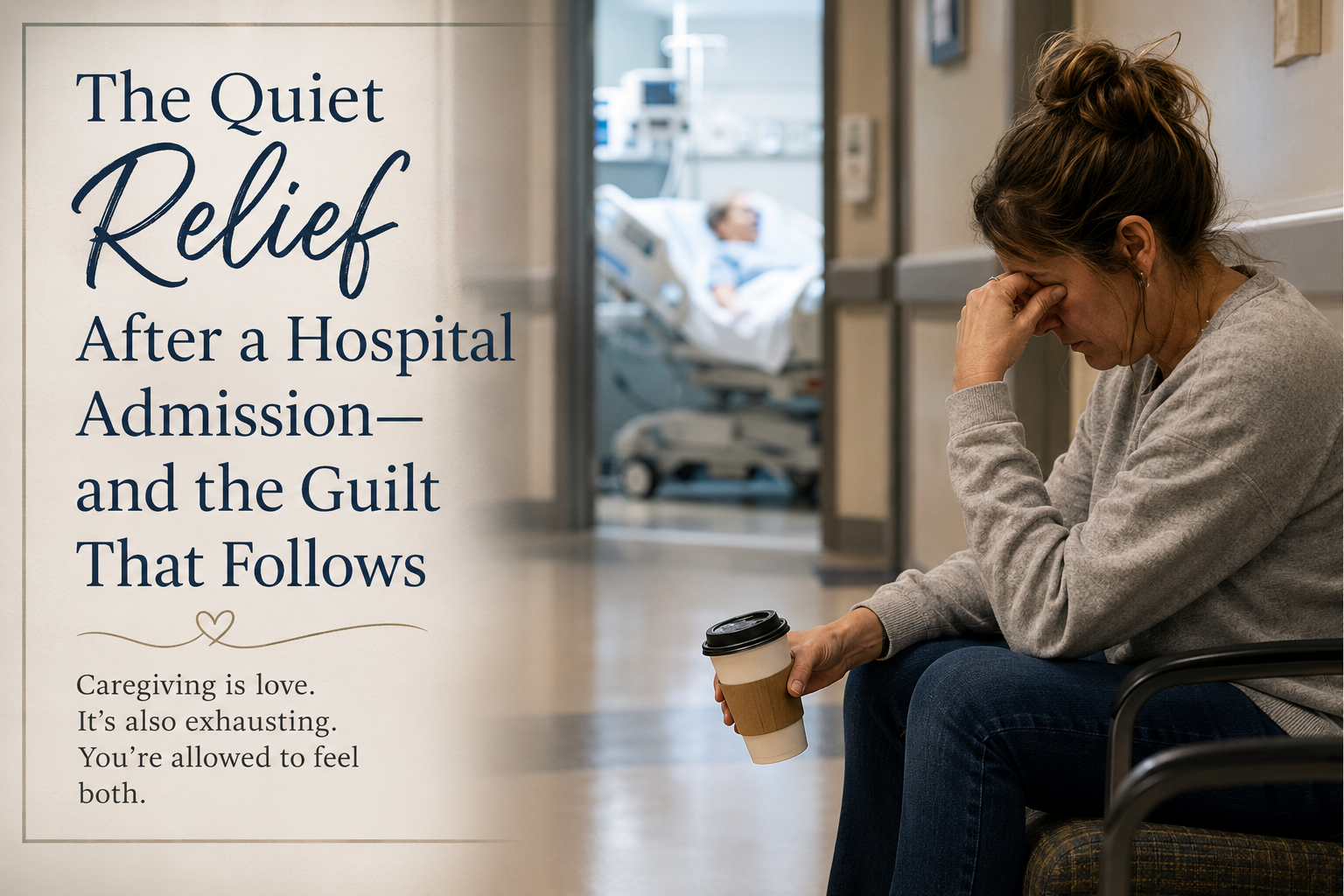
The Quiet Relief After a Hospital Admission—and the Guilt That Follows
There is a feeling caregivers don’t talk about very often. Your loved one gets admitted to the hospital. You’re worried. You’re answering questions. You’re trying to remember medications, symptoms, dates, doctors, and everything that happened leading up to this moment. And underneath all of that worry, there may be another feeling you don’t want to…
-

Night Caregiving Is Breaking Caregivers — And We Don’t Talk About It Enough
There is a side of caregiving that most people never see. It happens after the appointments are over, the phone stops ringing, and everyone else goes to bed. The caregiver is still working. There are medications to give. Someone needs to be repositioned. A feeding needs to be started. Bedding needs to be changed. A…
-

The Silent Burnout Before the Breakdown
The stage of caregiver burnout no one warns you about isn’t the breakdown. It’s everything that happens before it. There wasn’t one moment that told me I was burned out. There wasn’t a dramatic collapse. No ambulance. No panic attack. No day where I finally admitted I couldn’t do it anymore. Instead, it happened so…
-

What Survival Actually Looks Like in Caregiving
Caregiving survival doesn’t look heroic. It doesn’t look like the inspirational quotes people post online. It doesn’t look like having everything organized, staying positive, or somehow finding time for self-care every day. Real survival looks a lot messier. It looks like eating whatever you can find because you forgot to make yourself lunch. It looks…
-

The Hard Truth About Caregiving No One Warns You About: You Slowly Become Invisible
When I became a caregiver, I expected the physical work. I expected the doctor appointments, the medications, the sleepless nights, and the constant problem-solving. What I didn’t expect… …was how invisible I would become. No one talks about this part. As the months turn into years, people stop asking how you’re doing. Friends stop calling…
-

When Midlife Changes and Caregiving Happen at the Same Time
Caregiving is exhausting. I know that from experience. After spending 11 years caring for my grandmother, I learned just how much physical strength, mental energy, and emotional resilience it takes to make it through each day. Some days you feel like you’ve run a marathon before breakfast. But there’s another challenge that doesn’t get talked…
-

The Quiet Panic of “I Can’t Keep Doing This”
There’s a moment in caregiving nobody really talks about. It doesn’t usually happen during the big emergencies. It happens while you’re standing in the kitchen reheating coffee for the third time.Or sitting in your car for five extra minutes because you physically cannot make yourself walk back inside.Or lying awake at night staring at the…