
As an Amazon Associate I earn from qualifying purchases.
Why Caregiving Is More Exhausting Than It Looks
Caregiving is often misunderstood by those who have never lived it. Many people assume caregivers simply stay home, give medication reminders, and complete a few routine tasks. In reality, caregiving for the frail, elderly, disabled, or chronically ill is physically demanding, emotionally exhausting, and mentally overwhelming.
Long hours, interrupted sleep, and repetitive responsibilities create relentless caregiver stress, often leaving little time for rest, recovery, or self-care. Over time, this stress can quietly turn into burnout, emotional numbness, and physical exhaustion—something many caregivers don’t recognize until they’re already running on empty.
If you’re feeling stretched thin or emotionally drained, you’re not alone. You may also find relief in my list of essential caregiving items I wish I had sooner, which includes practical tools that helped reduce daily strain and protect my body during long-term caregiving.
The Misconceptions About Caregiving
Balancing work, personal responsibilities, and constant medical appointments can feel overwhelming. Much of this pressure comes from the lack of understanding caregivers receive. Caregivers carry the mental load of safety concerns, medication schedules, medical decisions, and emotional responsibility—often without anyone to confide in.
As long as daily routines appear uninterrupted, society rarely acknowledges the physical and emotional toll caregiving takes behind closed doors. This invisible labor can slowly erode a caregiver’s sense of self, especially when caregiving begins to dominate every part of life. I talk more about this shift in How Caregiving Takes Over Your Identity.
Why Caregivers Need Support
Caregivers need consistent emotional and practical support to protect their mental health and avoid burnout, anxiety, and depression. With caregiving responsibilities running around the clock—no weekends, no sick days, no clocking out—chronic fatigue becomes a way of life.
Many caregivers are surprised to learn that rest alone doesn’t fix the exhaustion. Even after sleeping, the fatigue remains because caregiving stress is emotional, physical, and cognitive. If that resonates with you, Why Caregivers Feel Exhausted Even After Rest explains why this type of fatigue runs so deep.
The Reality of Limited Breaks and Rest
Breaks are rare and usually depend on whether someone else is willing to help. Even when caregivers do get time away, they often spend it worrying about unfinished tasks, safety concerns, or what might go wrong in their absence.
For those providing in-home care, work and home are the same place—making true rest nearly impossible. This constant state of alert is especially heavy for caregivers managing everything alone. I share practical survival tools for this reality in Caregiving Alone? These Products Helped Me Survive Solo Caregiving Days.
The Harm of Dismissing Caregiver Emotions
Despite exhaustion, caregivers are often expected to stay positive and grateful. When they express sadness, frustration, or isolation, they’re met with dismissive comments like:
- “How can caring for one person be so stressful?”
- “Why don’t you just put them in a nursing home?”
These responses invalidate real caregiver burnout and deepen emotional isolation. Over time, many caregivers internalize this dismissal, leading to guilt, emotional insecurity, and self-doubt. This hidden struggle is explored further in Inside Caregiving’s Emotional Insecurity: The Struggles Caregivers Don’t Share.
Caregivers Are the Unsung Heroes
Caregivers are the backbone of home care, yet their needs are often overlooked. They need emotional validation, practical help, respite care, and understanding. Sometimes, a simple phone call that allows a caregiver to vent can make a meaningful difference.
Ignoring a caregiver’s request for help doesn’t just harm the caregiver—it directly affects the quality of care their loved one receives. Many caregivers give too much of themselves without realizing the long-term cost. I address this pattern in The Hidden Struggles of Overly Caring Caregivers.
Preventing Caregiver Stress and Burnout
Caregiver stress and burnout are not personal failures—and they are not inevitable. Without rest and support, caregivers may experience anxiety, depression, memory problems, weakened immunity, and physical exhaustion.
Small acts of support matter more than people realize:
- Offering respite care
- Checking in regularly
- Helping with daily tasks
- Supporting better routines and organization
Practical systems and tools can significantly reduce daily overwhelm. If you’re looking for ways to make caregiving more manageable, Boost Care Quality With Better Organization offers helpful strategies.
Caregiving is hard. Caregiver stress is real. And caregivers deserve recognition, support, and compassion.
Thank you for reading. Please share this post to help raise awareness about caregiver stress, caregiver mental health, and the importance of strong caregiver support systems.
Need more caregiving help and daily support?
I share real caregiving tips, tools, and encouragement every day.
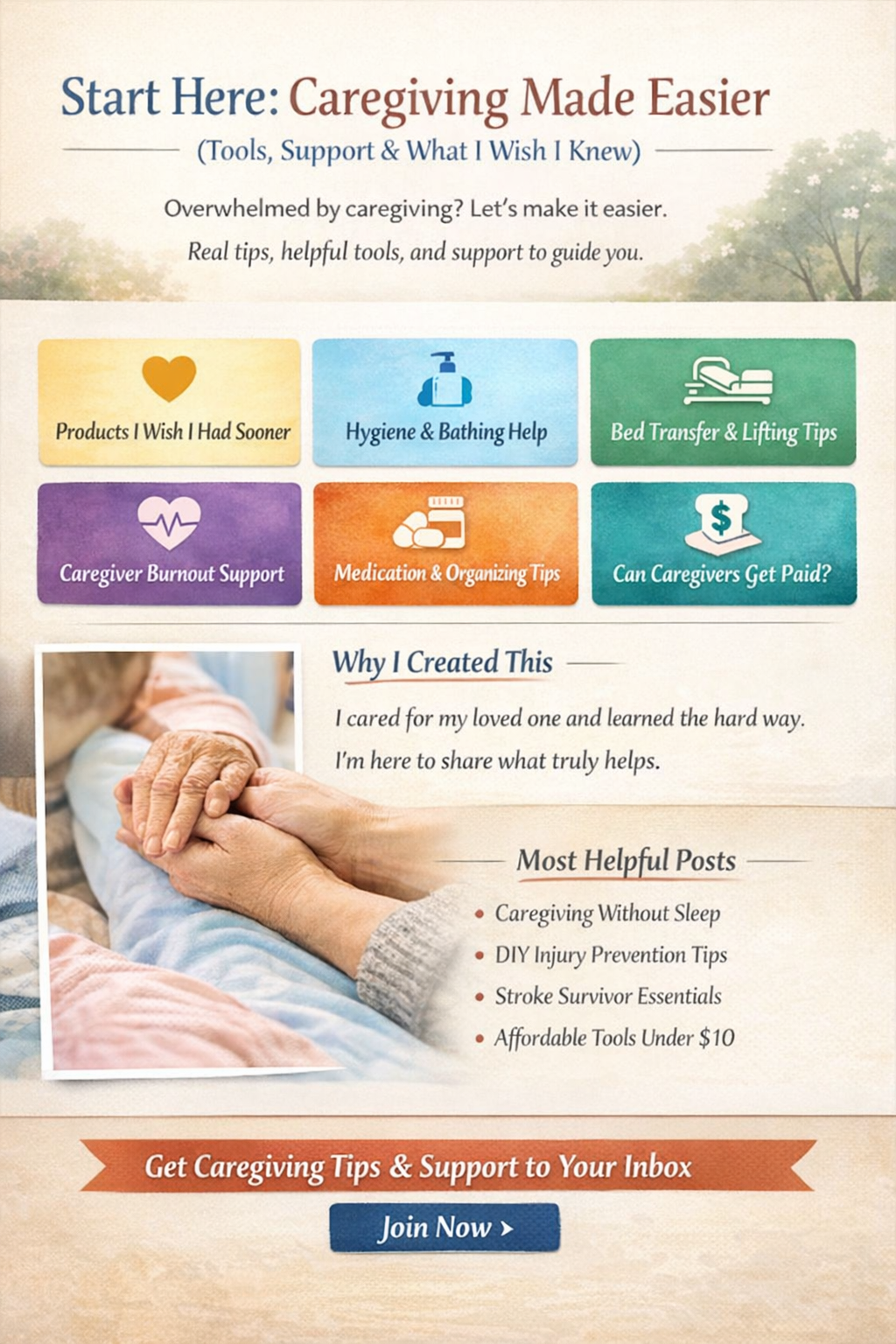
👉 Follow The Piney Chemist on Facebook: The Piney Chemist | Caregiving Made Easier
Amazon and the Amazon logo are trademarks of Amazon.com, Inc, or its affiliates.





Leave a Reply