
As an Amazon Associate I earn from qualifying purchases.
Here’s the most important truth many caregivers don’t hear soon enough:
You cannot recover from burnout alone.
Healing while caregiving requires support. Asking for help is not a failure—it’s an act of strength, responsibility, and self-preservation.
1. Speak Up and Tell Someone You’re Struggling
Start by telling one safe person how you’re really doing. This might be:
- A family member
- A trusted friend
- Your loved one’s doctor
- A counselor or therapist
- A caregiver support group
Carrying everything in silence deepens exhaustion and isolation. Saying the words “I’m struggling” is often the first step toward healing.
2. Build a Support System You Can Rely On
A dependable support system reduces daily stress and gives your nervous system room to recover. Ask for specific, practical help, such as:
- Running errands
- Preparing meals
- Sitting with your loved one
- Managing phone calls or appointments
- Providing short-term respite care
Delegation is not selfish—it’s essential for sustainable caregiving.
3. Assign and Share Caregiving Responsibilities
If asking for help feels overwhelming, start with a simple task list. Write down everything you do in a week. Then identify which responsibilities can be safely shared.
Clear delegation reduces burnout and helps others understand how to truly support you, rather than offering vague help that never materializes.
4. Remember: Burnout Recovery Takes Time
Burnout doesn’t resolve overnight—and neither does recovery.
Be patient with yourself.
Celebrate small improvements.
Keep asking for help, even when it feels uncomfortable.
Your health matters just as much as the person you’re caring for.
Burnout Isn’t Just Physical—It’s Mental Overload
One of the biggest reasons caregivers burn out isn’t because they’re weak—it’s because they’re trying to remember everything.
Medication schedules.
Appointments.
Supplies that are running low.
Questions for the doctor.
Symptoms that changed overnight.
Emergency information.
Daily tasks.
When all of that lives in your head, your brain never gets a chance to rest. Even when you’re sitting down, you’re still mentally caregiving.
That’s why I created my Caregiver Printable Bundle.
These are the exact kinds of worksheets I wish I’d had while caring for my grandmother. Instead of relying on memory or scrambling to find information when I was exhausted, everything had a place.
Inside the bundle you’ll find printable tools to help you:
- Keep medications organized with the Medication Master List
- Track symptoms and changes with the Symptom Tracker & Observation Log
- Never run out of essential caregiving supplies with the Supply Tracker
- Stay prepared for appointments using the Caregiver Appointment Companion
- Organize daily priorities with the Caregiver Command Center
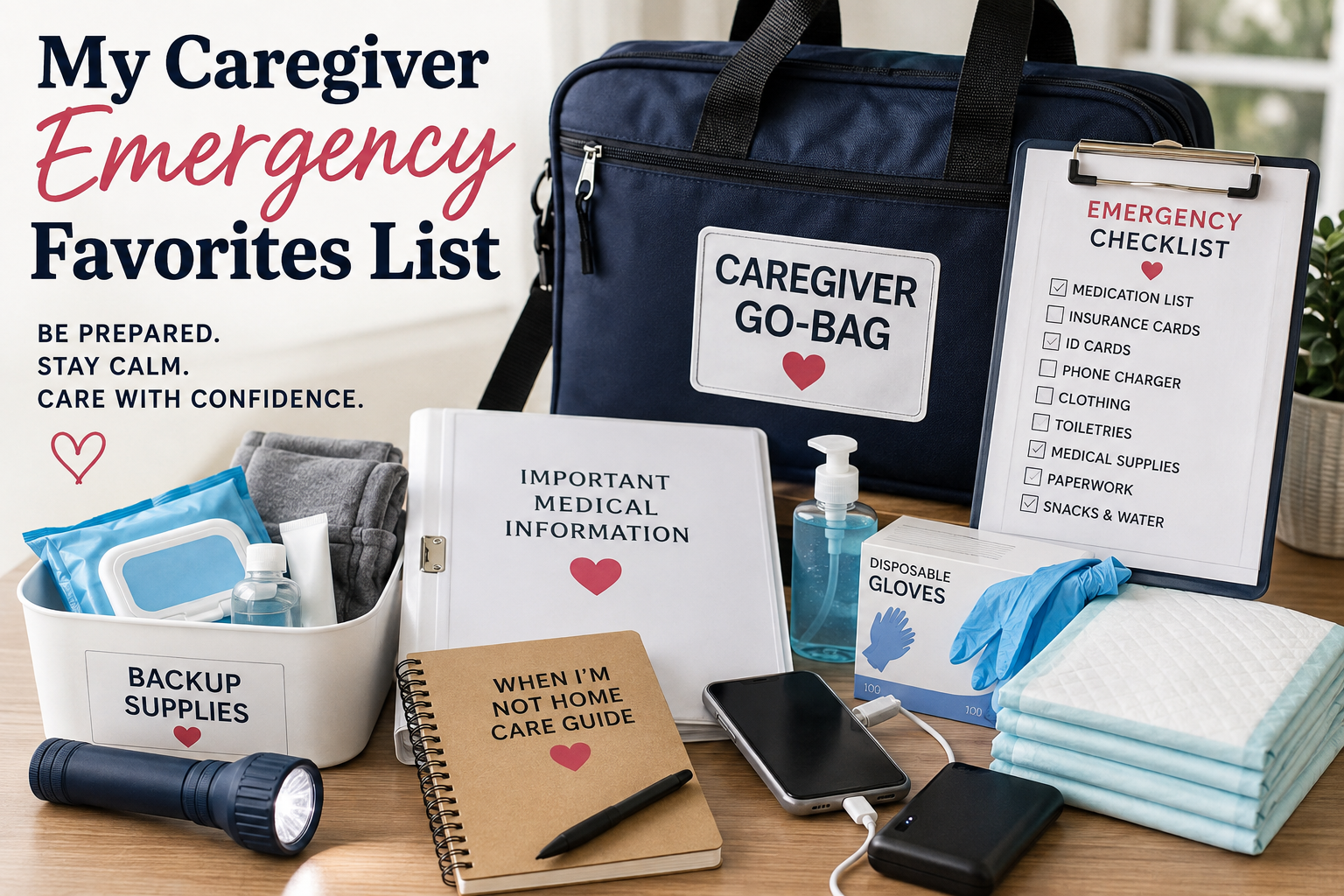
- Keep important medical and emergency information in one easy-to-find place
- Stay on top of overnight care with the Night Shift Checklist
Recovering from burnout isn’t about becoming a “perfect caregiver.” It’s about reducing the constant mental load so you don’t have to carry every detail in your head.
If these printables can save you even a little stress each day, they’re worth having.
👉 Grab the Caregiver Printable Bundle and give yourself one less thing to remember.
Why Asking for Help Is the Most Effective Burnout Strategy
The most powerful way to overcome caregiver burnout while continuing to provide care is simple:
Ask for help.
Without support, stress becomes chronic. Health declines. Emotional grief deepens. But with help, caregiving becomes safer, more sustainable, and more compassionate—for both you and your loved one.
You deserve balance.
You deserve rest.
You deserve support.
Additional Support for Caregivers
If you’re feeling overwhelmed, exhausted, or emotionally drained, these Piney Chemist resources may help you better understand what you’re experiencing—and remind you that you’re not alone.
- Signs of Caregiver Burnout You Shouldn’t Ignore
Learn how burnout develops quietly and the early warning signs many caregivers miss. - Caregiving Alone: How to Cope Without a Support System
Practical guidance and emotional support for caregivers managing everything on their own. - Why Caregivers Feel Exhausted Even After Rest
Understand why sleep and breaks don’t always restore energy when stress becomes chronic. - Caregiver Grief: Why Loss Feels So Complicated
Explore the layered grief caregivers experience before, during, and after caregiving.
💙 Caregiver Tip: You don’t have to keep everything in your head. A simple system can reduce stress, prevent missed tasks, and make even the hardest caregiving days feel a little more manageable. If you’re ready to stop relying on memory alone, my Caregiver Printable Bundle was created from real-life caregiving experience to help you stay organized with less overwhelm.
If this post resonated with you, consider sharing it with another caregiver who may be struggling silently. You are not weak for feeling overwhelmed—and you are not alone.💚
Need more caregiving help and daily support?
I share real caregiving tips, tools, and encouragement every day.
👉 Follow The Piney Chemist on Facebook: The Piney Chemist | Caregiving Made Easier
Amazon and the Amazon logo are trademarks of Amazon.com, Inc, or its affiliates.




Leave a Reply