
As an Amazon Associate I earn from qualifying purchases.
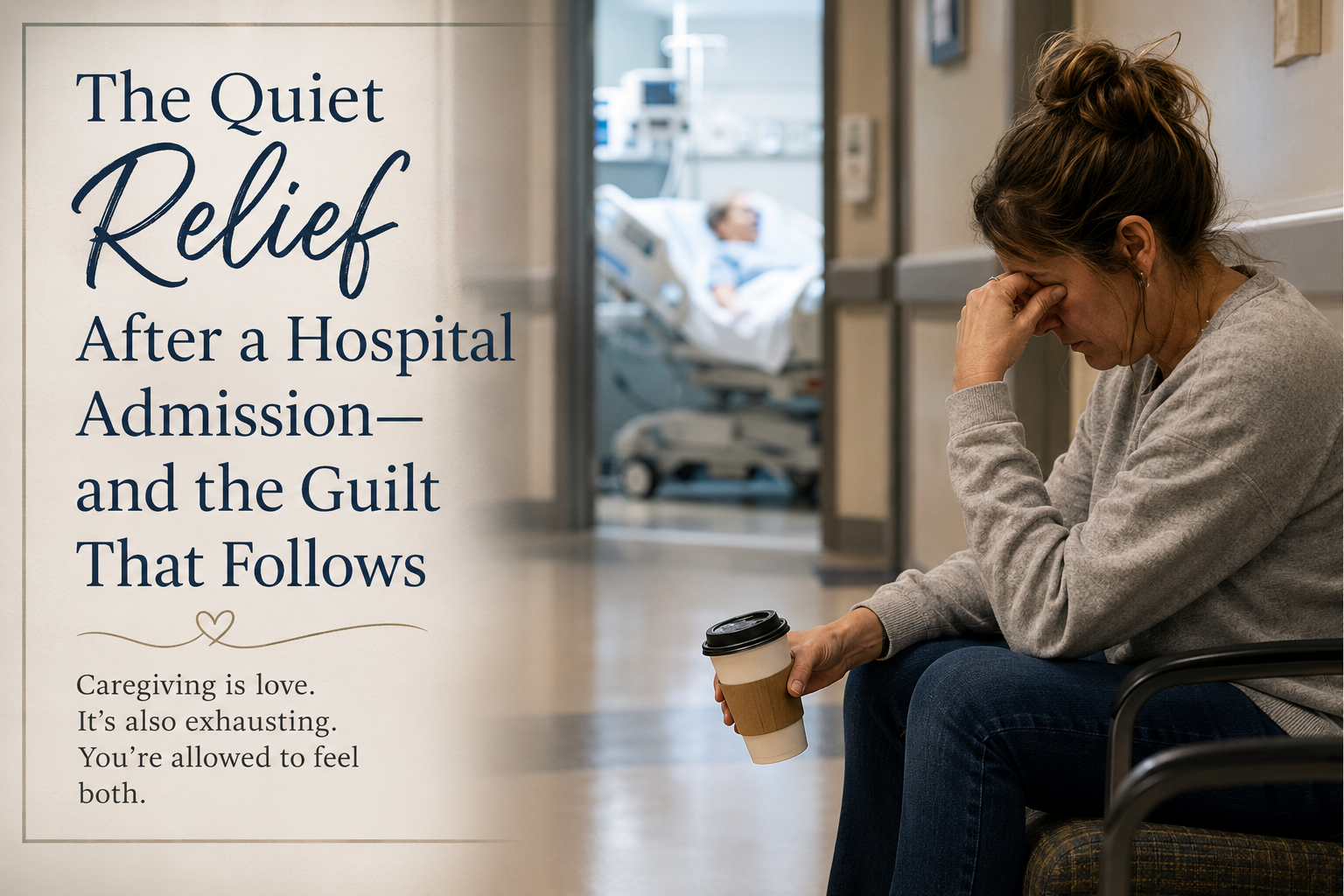
Caregiving is a selfless act that shapes a person’s character, heart, and morality. Only those who have walked this path can fully grasp the weight of its struggles. While outsiders may try to empathize, the daily pressures caregivers endure often go unseen, unacknowledged, and misunderstood.
If you’ve ever felt emotionally exhausted, unseen, or overwhelmed by the constant responsibility, you’re not alone. Many caregivers quietly experience the same struggles described in Caregiver Stress Is Real: The Emotional and Physical Toll No One Talks About.
Here are the realities many non-caregivers don’t realize.
Self-Care Isn’t Easy—Even When We Know It Matters
“Take care of yourself” is well-intentioned advice, but it rarely fits the reality of caregiving.
Caregivers want to rest, breathe, and decompress. We understand the importance of self-care. But constant responsibility, interrupted sleep, emotional strain, and lack of support often leave us physically exhausted and mentally depleted. By the time caregiving duties pause—if they ever do—we’re too tired to practice the very self-care we’re encouraged to prioritize.
This disconnect is explored more deeply in Why “Self-Care” Advice Feels Unrealistic for Caregivers, where caregiving reality collides with unrealistic wellness messaging.
Caregiving Goes Far Beyond Healthcare Tasks
From the outside, caregiving may look like medication reminders and doctor’s appointments.
In reality, caregivers are financial managers, meal planners, errand runners, household coordinators, paperwork navigators, and crisis solvers. We manage schedules, safety, legal documents, insurance issues, family dynamics, and emergencies—often simultaneously.
Caregiving is part medical care, part case management, part household administration—and completely all-consuming.
If you’re managing care largely on your own, many of these responsibilities are outlined in Caregiving Alone? These Products Helped Me Survive Solo Caregiving Days, which speaks directly to unsupported caregivers.
Our Smiles Often Hide Constant Worry
Caregivers live with persistent self-doubt:
Am I doing enough? Did I miss something? What if something goes wrong?
Even when we smile, our minds are running through contingency plans and worst-case scenarios. Anxiety follows us into the night, making true rest difficult. The worry never fully shuts off—it just hums quietly in the background.
This mental load is closely tied to the emotional burnout discussed in Signs of Caregiver Burnout You Shouldn’t Ignore.
Caregivers Face Deep Social Isolation
Devoting your life to another person’s well-being often means sacrificing your own.
Free time disappears. Spontaneity disappears. Conversations shrink to medical updates and logistics. Social interaction is limited to doctors, nurses, care recipients, and the occasional visitor. Friendships fade—not from lack of love, but from lack of availability.
Many caregivers experience this loneliness silently, a theme explored further in Inside Caregiving’s Emotional Insecurity: The Struggles Caregivers Don’t Share.
The Financial Burden Is Heavier Than People Think
Many caregivers are forced to leave the workforce or reduce their hours due to the level of care required. Households shift to single incomes—sometimes relying solely on the care recipient’s limited resources.
Caregivers are rarely paid for their labor, yet they shoulder medical costs, household expenses, and daily necessities. Financial strain becomes a constant source of stress layered on top of emotional and physical exhaustion.
Caregiving Can Strain Even the Strongest Marriages
When life revolves around caregiving, relationships can suffer.
Stress, exhaustion, and financial pressure create tension. Social lives vanish. Communication becomes transactional. Conversations unrelated to caregiving become rare. Over time, the care recipient—through no fault of their own—can become the center of the marriage, leaving little space for emotional connection between partners.
This relational strain connects closely with The Hidden Struggles of Overly Caring Caregivers.
How Non-Caregivers Can Truly Help
Support doesn’t require money or grand gestures.
What caregivers need most is time, understanding, and patience.
- Listen without judgment
- Offer respite—even a few hours matters
- Sit with us while we vent, cry, or breathe
- Acknowledge the weight we carry
We don’t need reminders that caregiving is hard—we live it every day.
Your compassion, presence, and willingness to help can genuinely transform a caregiver’s world.
Don’t Forget to Take Care of the Caregiver
Most caregiving resources focus on medications, appointments, and the person you’re caring for. Those things matter—but so do you.
One of the biggest mistakes I made was ignoring my own warning signs. I kept telling myself I’d rest later, eat later, and deal with the stress later. Eventually, later caught up with me.
That’s why I created my Caregiver Burnout Check-In printable.
Instead of tracking your loved one’s health, this one helps you notice patterns in your own well-being before burnout takes over. In just a minute or two, you can check in with your energy, stress, sleep, emotions, and physical health to spot changes that are easy to miss when every day feels the same.
Sometimes the first step toward avoiding burnout isn’t doing more—it’s finally paying attention to yourself.
🟢 Get the Caregiver Burnout Check-In Printable
It’s simple, printable, editable in Microsoft Word, and designed from real caregiving experience—not theory.
Thank you for taking the time to understand—and please, take care of yourself too.
Need more caregiving help and daily support?
I share real caregiving tips, tools, and encouragement every day.
👉 Follow The Piney Chemist on Facebook: The Piney Chemist | Caregiving Made Easier
Amazon and the Amazon logo are trademarks of Amazon.com, Inc, or its affiliates.





Leave a Reply