
As an Amazon Associate I earn from qualifying purchases.
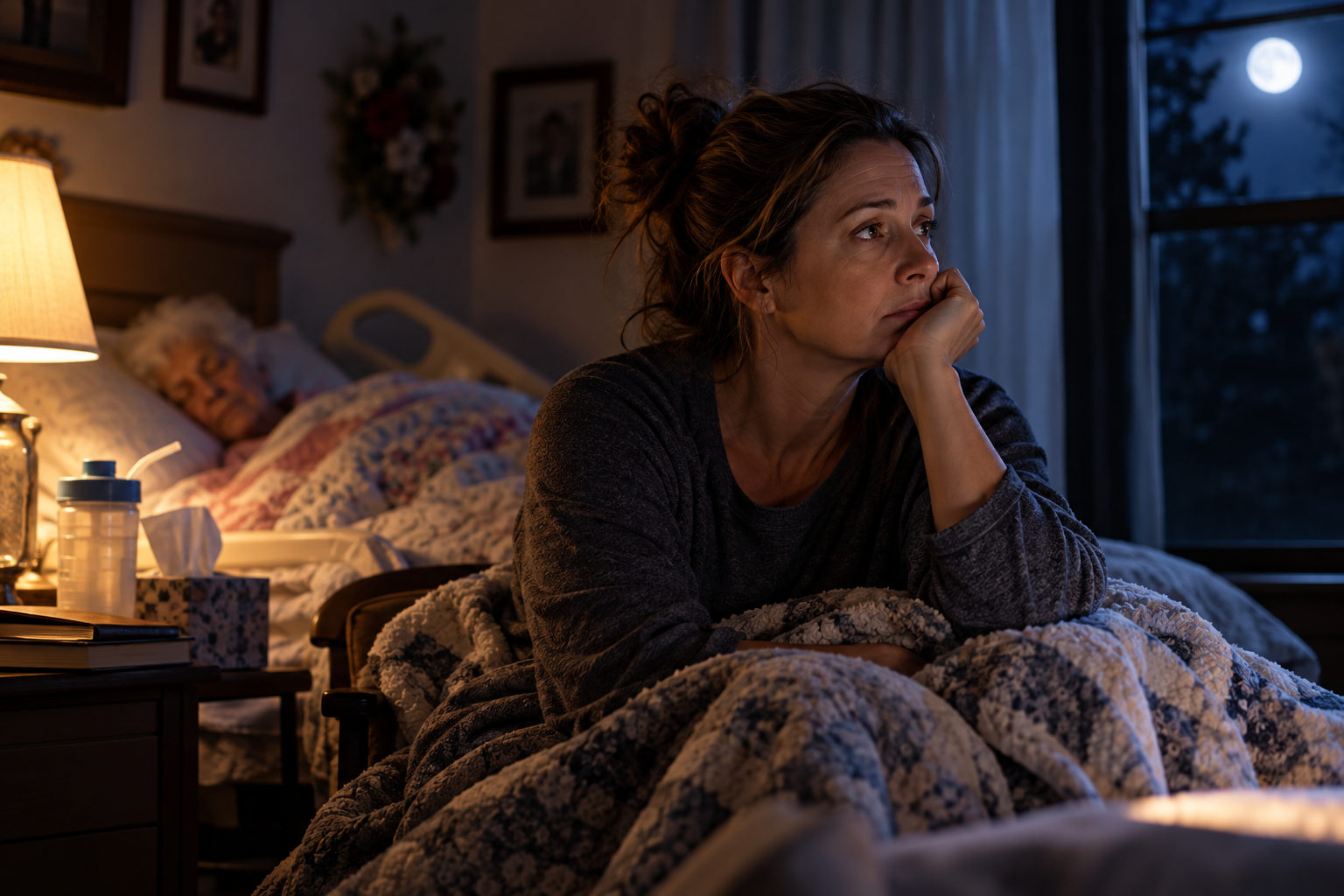
Caregiving is one of the most meaningful roles a person can take on. Yet despite its rewards, it often comes with long hours, emotional strain, and an overwhelming sense of isolation. Many caregivers spend most of their time inside the home, focused entirely on the needs of someone else. Because of that, caregiver socialization can quickly slip to the bottom of the priority list.
However, staying socially connected isn’t a luxury—it’s essential. Caregivers need community support, emotional connection, and opportunities to recharge. And the truth is: caregiver socialization is just as vital as self-care.
In this post, we’ll explore why staying socially connected matters, how it supports caregiver mental health, and practical ways caregivers can reconnect with the world around them—even when caregiving feels all-consuming.
The Hidden Impact of Caregiver Isolation
Caregivers often experience long periods without meaningful adult conversation. While caregiving responsibilities require time and dedication, isolation slowly chips away at emotional well-being. In fact, social isolation increases stress, depression, and burnout—three challenges caregivers are already vulnerable to.
Many caregivers quietly relate to the feeling of doing everything alone. If this resonates, you may also recognize the signs described in Caregiving Without a Support System: How to Cope, Stay Strong, and Protect Your Well-Being.
Without regular social interaction, caregivers may feel:
- Overwhelmed and emotionally drained
- Disconnected from friends, family, and past hobbies
- Unsupported in their daily responsibilities
- Less confident in their ability to cope
This is why caregiver socialization plays such a powerful role in maintaining emotional balance.
Why Caregiver Socialization Is Essential
1. Reduces Caregiver Stress and Burnout
Connecting with others—whether through a phone call, a quick coffee outing, or an online support group—helps caregivers decompress. Social conversations allow caregivers to vent, laugh, and process feelings in a healthy way.
Many caregivers are surprised to learn that rest alone doesn’t always resolve exhaustion. Emotional depletion often requires connection, not just downtime—a concept explored further in Why Caregivers Feel Exhausted Even After Rest.
2. Strengthens Emotional Support Systems
No caregiver should feel like they’re navigating this journey alone. Socialization builds a network of people who understand, encourage, and uplift. Even one consistent connection can make caregiving feel more sustainable.
For caregivers who feel invisible or unsupported, You’re Not Weak—You’re Just Doing This Alone speaks directly to this experience.
3. Improves Caregiver Mental Health
Human connection releases hormones that improve mood and reduce anxiety. When caregivers socialize regularly, they’re less likely to experience depression, loneliness, or emotional numbness.
If you’ve noticed emotional changes but aren’t sure what they mean, Caregiver Fatigue vs. Depression: How to Tell the Difference may help clarify what you’re experiencing.
4. Helps Caregivers Maintain Their Identity
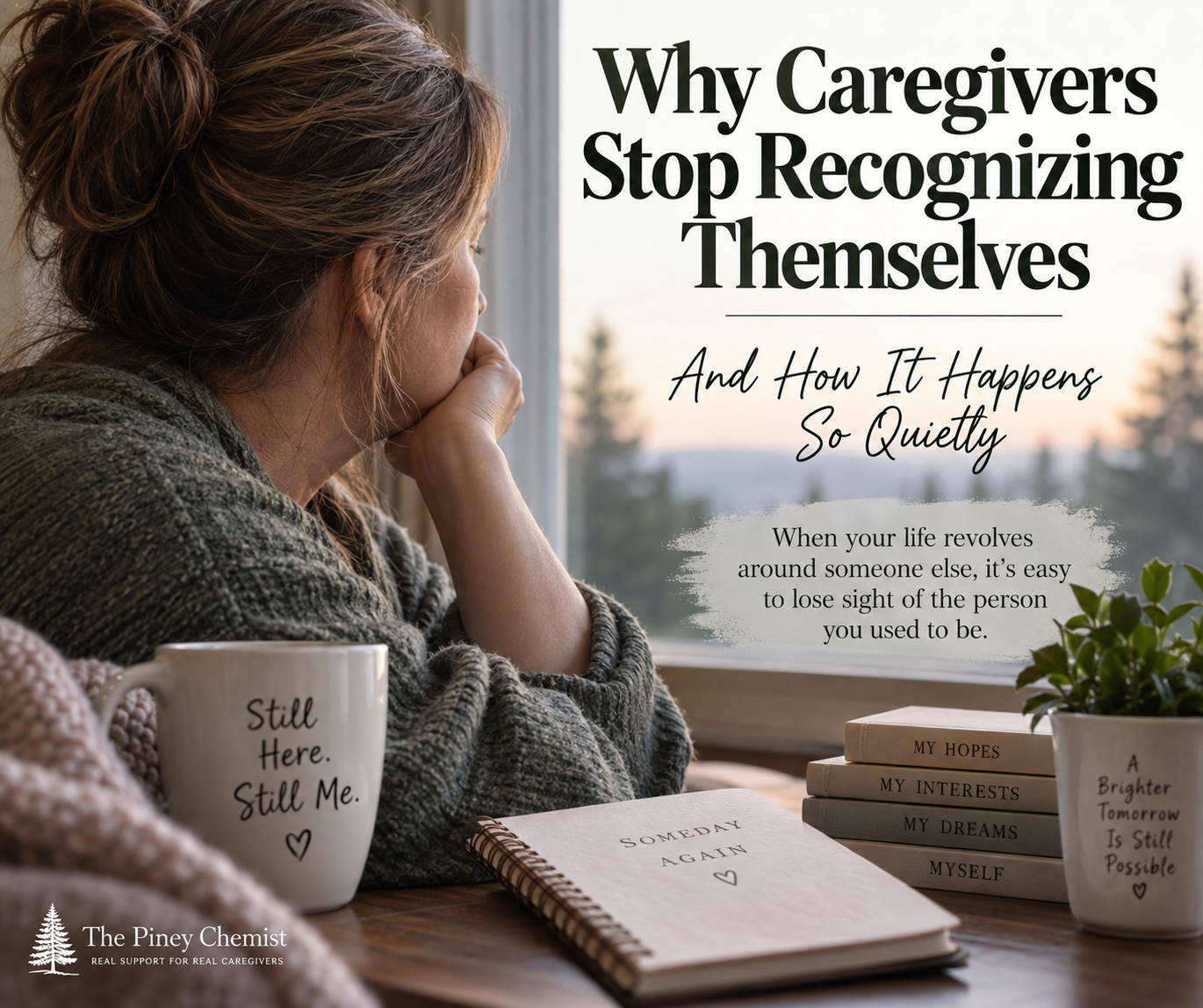
Caregiving can slowly consume a person’s sense of self. Socialization reminds caregivers that they are more than their role. Talking about interests, dreams, or everyday life helps preserve identity beyond caregiving.
Many caregivers begin to ask, Who am I outside of this? That question is gently explored in Life After Caregiving: How to Rebuild Your Identity.
5. Encourages Better Care for the Recipient
When caregivers feel emotionally supported, their patience, empathy, and resilience improve. Caregiver well-being and quality of care are deeply connected—when you are supported, the person you care for benefits too.
Practical Ways Caregivers Can Stay Socially Connected
Caregiving schedules vary widely, but connection doesn’t have to be all-or-nothing. Small, realistic steps matter.
✔ Join Online or Local Support Groups
Support groups provide understanding without explanation. Many virtual groups meet weekly and require no travel, making them accessible for busy caregivers.
You may also find comfort in shared experiences like those described in Caregiver Grief: Why Loss Feels So Complicated After Caregiving, even if your caregiving journey hasn’t ended yet.
✔ Schedule Micro-Social Moments
Even 5–10 minutes of connection can help regulate stress.
Try to:
- Call or voice-message a friend
- Text someone who understands caregiving
- Chat briefly with a neighbor
- Engage in a short online discussion
Small moments still count.
✔ Ask for Respite Care When Possible
Respite care isn’t indulgent—it’s protective. Using that time to reconnect socially can reduce long-term burnout and emotional overload.
If guilt gets in the way of asking for help, Why “Self-Care” Advice Feels Unrealistic for Caregivers may help reframe that mindset.
✔ Rekindle Old Friendships
Many caregivers lose touch unintentionally. Reaching out can feel awkward, but it often opens doors to renewed support. True friends usually want to help—they just don’t know how unless you let them in.
✔ Explore Low-Pressure Social Hobbies
If time allows, gentle activities like book clubs, walking groups, or creative outlets can provide connection without pressure.
How Socialization Supports Long-Term Caregiver Well-Being
Over time, caregiver socialization becomes a protective layer against burnout. Caregivers who maintain connection often:
- Handle stress more effectively
- Feel less emotionally isolated
- Experience greater life satisfaction
- Maintain better overall health
These benefits ripple outward—supporting both caregiver and care recipient.
Don’t Forget to Take Care of the Caregiver
Most caregiving resources focus on medications, appointments, and the person you’re caring for. Those things matter—but so do you.
One of the biggest mistakes I made was ignoring my own warning signs. I kept telling myself I’d rest later, eat later, and deal with the stress later. Eventually, later caught up with me.
That’s why I created my Caregiver Burnout Check-In printable.
Instead of tracking your loved one’s health, this one helps you notice patterns in your own well-being before burnout takes over. In just a minute or two, you can check in with your energy, stress, sleep, emotions, and physical health to spot changes that are easy to miss when every day feels the same.
Sometimes the first step toward avoiding burnout isn’t doing more—it’s finally paying attention to yourself.
🟢 Get the Caregiver Burnout Check-In Printable
It’s simple, printable, editable in Microsoft Word, and designed from real caregiving experience—not theory.
Final Thoughts: Caregivers Deserve Connection Too
Caregiving is built on devotion, sacrifice, and love—but it should not require complete isolation. Prioritizing caregiver socialization doesn’t mean stepping away from your responsibilities. It means strengthening yourself so you can continue.
If this post resonated with you, you may also find comfort in A Letter for the Worn-Out Caregiver, written for those moments when words are hard to find.
And if this helped you feel a little less alone, please consider sharing it with another caregiver who might need the same reminder.
You deserve connection, too.
Need more caregiving help and daily support?
I share real caregiving tips, tools, and encouragement every day.
👉 Follow The Piney Chemist on Facebook: The Piney Chemist | Caregiving Made Easier
Amazon and the Amazon logo are trademarks of Amazon.com, Inc, or its affiliates.


Leave a Reply