
As an Amazon Associate I earn from qualifying purchases.
Caregiving isn’t just about medication schedules, doctor’s appointments, and staying patient during long nights. It’s also about navigating family caregiving challenges—the unspoken tension, uneven responsibilities, and emotional pressure no one prepares you for.
If you’ve ever stepped into the caregiver role within your own family, you know exactly what that collision feels like. Caregiving doesn’t just affect the person receiving care—it reshapes relationships, expectations, and family dynamics in ways that can feel overwhelming. When caregiving and family collide, the impact is often messy, emotional, and deeply personal.
The Unseen Shift in Family Roles
No one tells you that becoming a caregiver means your family role may change overnight. Suddenly, you’re no longer just the daughter, spouse, or sibling—you become the organizer, advocate, communicator, and decision-maker.
This shift is common in family caregiving, especially when one person quietly becomes the default caregiver. Others may step back, assuming everything is handled. Over time, this imbalance creates tension, misunderstandings, and emotional exhaustion—something many caregivers recognize in Caregiving Without a Support System: How to Cope, Stay Strong, and Protect Your Well-Being.
Uneven Responsibility and Caregiver Stress
One of the biggest sources of caregiver stress is uneven responsibility. When one family member carries the daily load while others offer limited or inconsistent help, emotional strain builds quickly.
It’s not just the physical work—it’s the mental and emotional load of feeling alone while still trying to stay patient, compassionate, and calm. This is often where burnout begins, as described in Signs of Caregiver Burnout You Shouldn’t Ignore.
This is the part of caregiving most people don’t talk about.
This is where families collide.
Guilt, Resentment, and Caregiving Conflict
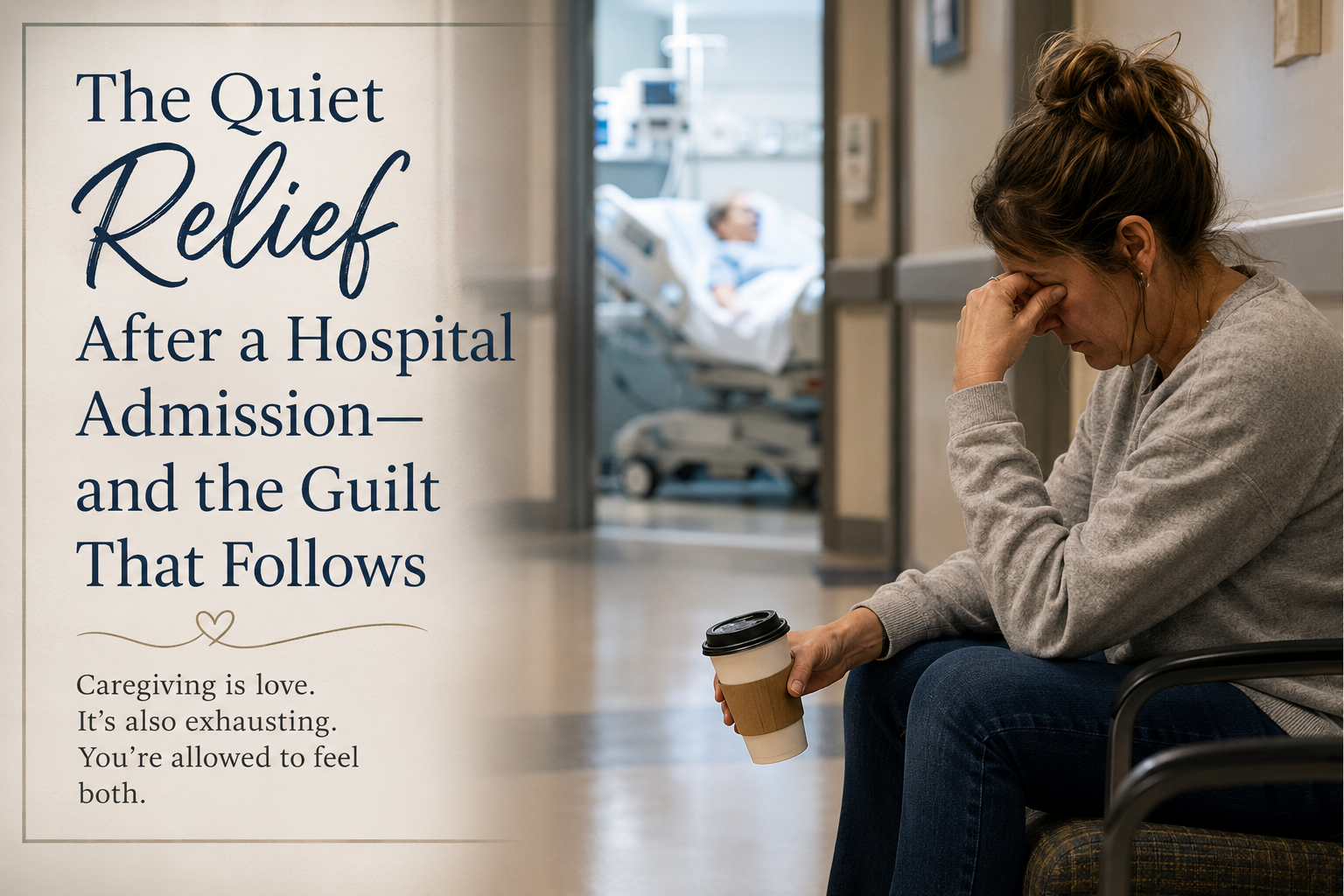
Caregiving can stir up emotions you never expected—especially guilt and resentment. Guilt for needing rest. Guilt for feeling frustrated. Guilt for wanting your life back. And when family support doesn’t show up as hoped, resentment can quietly take root.
These emotions are common in caregiving conflict, especially when family expectations differ. Old patterns and unresolved family dynamics often resurface under pressure. Many caregivers begin questioning themselves during this stage, something explored further in You’re Not Weak—You’re Just Doing This Alone.
Acknowledging these emotions doesn’t make you ungrateful. It makes you honest.
Setting Boundaries to Prevent Caregiver Burnout
One of the most powerful shifts I made was learning to set boundaries. Boundaries are not selfish—they are essential caregiver survival tools.
I learned to say:
- “I need help with this.”
- “I can’t handle every appointment alone.”
- “I need a break today.”
- “I can’t update everyone constantly.”
Clear boundaries reduce burnout and protect mental health. They also help others understand where support is truly needed—something many caregivers struggle with, especially when “self-care” advice feels unrealistic, as discussed in Why “Self-Care” Advice Feels Unrealistic for Caregivers.
Finding Support When Family Falls Short
Sometimes the support you expect doesn’t come from family—and that can be deeply painful. But it doesn’t mean support isn’t available.
Many caregivers find meaningful help through:
- Friends or neighbors
- Caregiver support groups
- Community resources
- Respite care services
Broadening your support system can make caregiving more sustainable and emotionally manageable. For caregivers who feel isolated in this reality, Why Caregivers Feel Exhausted Even After Rest explains why emotional support matters just as much as physical rest.
Lessons Caregiving Taught Me
Caregiving reshaped my understanding of family, resilience, and compassion. It forced me to accept that not everyone can show up in the same way—or at the same level.
But it also taught me:
- I am capable of hard things
- Asking for help is strength, not weakness
- Boundaries protect mental health
- Caregiver support is essential
- Family caregiving challenges are normal—not personal failures
Many caregivers begin re-examining who they are beyond caregiving during this phase, a theme explored in Life After Caregiving: How to Rebuild Your Identity.
You’re Not Alone in Your Family Caregiving Journey
If you’re struggling with family dynamics, uneven caregiving responsibilities, or emotional burnout, hear this clearly:
You are not failing.
You are not overreacting.
You are not alone.
Family caregiving challenges affect millions of caregivers—and your experience is valid. Even when your family doesn’t see it. Even when they don’t understand.
If today feels especially heavy, A Letter for the Worn-Out Caregiver was written for moments just like this.
You are showing up in ways that take strength, heart, and courage.
And that matters—more than you know.
Need more caregiving help and daily support?
I share real caregiving tips, tools, and encouragement every day.
👉 Follow The Piney Chemist on Facebook: The Piney Chemist | Caregiving Made Easier
Amazon and the Amazon logo are trademarks of Amazon.com, Inc, or its affiliates.


Leave a Reply