
As an Amazon Associate I earn from qualifying purchases.
Being a solo caregiver means you’re doing it all—appointments, medications, meals, emotional support, household tasks—without reliable help from family, friends, or paid caregivers. While caregiving is meaningful, doing it alone can feel isolating, overwhelming, and exhausting.
If you’re caring for a loved one without a support system, you are not weak—you are incredibly resilient. This guide shares realistic advice and practical tools that helped me survive solo caregiving days while protecting my health, boundaries, and well-being.
🛒 Solo Caregiver Burnout Relief: Start Here
Caregiver-Tested Tools That Reduce Strain, Stress & Exhaustion
If you’re caregiving alone, these are the tools that made daily care physically safer and mentally lighter for me.
You don’t need everything — start with what protects your body or energy first.
⭐ Most Helpful Tools for Solo Caregivers
🛏️ Body-Saving Transfer Support
Why it helps: Reduces back strain when you’re lifting or repositioning alone.
✔ Prevents injuries
✔ Safer transfers
✔ Less fear during daily care
👉 View trusted transfer aids on Amazon
🚿 No-Shower Hygiene Solutions
Why it helps: Cuts exhaustion when full bathing isn’t realistic.
✔ Faster hygiene care
✔ Preserves dignity
✔ Saves energy
👉 Shop rinse-free caregiver hygiene essentials
🌙 Night Care & Sleep Protection
Why it helps: Fewer wakeups = less burnout.
✔ Reduces nighttime falls
✔ Less cleanup stress
✔ Better rest for you
👉 See nighttime caregiving must-haves
🧠 Mental Load & Organization Helpers
Why it helps: Burnout comes from constant responsibility.
✔ Fewer forgotten tasks
✔ Less decision fatigue
✔ Peace of mind
👉 Browse caregiver organization tools
💛 Burnout Support (Not Medical — Just Human)
Why it helps: Emotional exhaustion counts too.
✔ Stress relief
✔ Emotional grounding
✔ One thing that’s just for you
👉 Explore caregiver burnout support items
✔ My Rule for Buying Caregiver Tools
If it saves time, protects your body, or lowers stress even a little, it’s worth it.
You’re not weak for needing tools.
You’re realistic.
What Does It Mean to Be a Solo Caregiver?
A solo caregiver provides daily care without dependable backup. You may live with your care recipient, manage all medical decisions, handle finances, and still juggle work or parenting responsibilities.
Many caregivers end up alone due to family conflict, distance, or lack of involvement. If this resonates with you, you may also relate to:
👉 Caregiving Without a Support System: Survival Strategies for Solo Caregivers
Understanding that solo caregiving is common—and not a personal failure—is the first step toward protecting yourself.
Accept That You Cannot Do Everything (And Use Tools to Lighten the Load)
Trying to do everything yourself leads to burnout fast. Solo caregivers often struggle with perfectionism and over-responsibility—especially those who care deeply.
If this sounds familiar, this post may help:
👉 When Caring Too Much Leads to Burnout: A Reality Check for Caregivers
One of the hardest lessons I learned is this:
Support doesn’t always come from people—sometimes it comes from tools.
Solo Caregiver Tools That Reduce Daily Overwhelm
Automatic Pill Dispensers (Huge Mental Load Reducers)
When you’re the only caregiver, remembering medications becomes exhausting.
👉 Colorwing® 2025 Smart Pill Dispenser (Bluetooth Alarms)
👉 LiveFine 28-Day Automatic Pill Dispenser (Simple & Reliable)
These devices reduce daily stress, missed doses, and constant reminders—especially when you’re already exhausted.
Create a Simple Daily Routine (With Built-In Support)
Structure helps solo caregivers survive unpredictable days. A consistent routine reduces stress, decision fatigue, and emotional exhaustion.
Focus on:
- Medication schedules
- Meal and hygiene times
- Short, protected rest breaks
If caregiving stress is already affecting your health, read:
👉 Caregiver Burnout and Chronic Stress: What No One Sees Behind the Scenes
Routine-Support Tools That Actually Help
👉 Weekly AM/PM Pill Organizer (Easy Visual Tracking)
👉 Caregiver Daily Planner & Log Book
These tools help you stop carrying everything in your head.
Use Outside Support (Even If It’s Not Family)
Even if you feel alone, support may still exist—you just have to know where to look.
Helpful options include:
- Medicaid Home and Community-Based Services (HCBS)
- Local aging and disability services
- Respite care programs
If you’re unsure where to start, read:
👉 Why Respite Care Is Essential for Burned-Out and Solo Caregivers
When No One Shows Up, Protect Your Body
👉 Transfer Belt for Safer Mobility Support
👉 Bed Assist Rail for Fall Prevention
Using physical support tools isn’t weakness—it prevents injury when you have no backup.
Protect Your Mental and Emotional Health (Quietly, at Home)
Solo caregivers face higher risks of anxiety, depression, isolation, and emotional burnout. Ignoring your emotional health doesn’t make caregiving easier—it makes it heavier.
You may find comfort in:
👉 Journaling for Caregivers: Mental Relief When You Feel Alone and Overwhelmed
Comfort Items Caregivers Actually Use
👉 Guided Caregiver Journal for Stress & Reflection
👉 Microwavable Heating Pad for Stress Relief
These small comforts matter when leaving the house isn’t possible.
Set Boundaries Without Guilt
Solo caregivers often feel trapped by responsibility—especially when family dynamics are strained.
If caregiving has caused tension, read:
👉 When Family Conflict Makes Caregiving Harder: How to Protect Your Mental Health
Boundary-Supporting Home Tools
👉 Door Alarm for Safety & Personal Space
Sometimes boundaries look physical—and that’s okay.
Prepare for Emergencies (Because You’re the Backup Plan)
When you’re caregiving alone, planning ahead is critical.
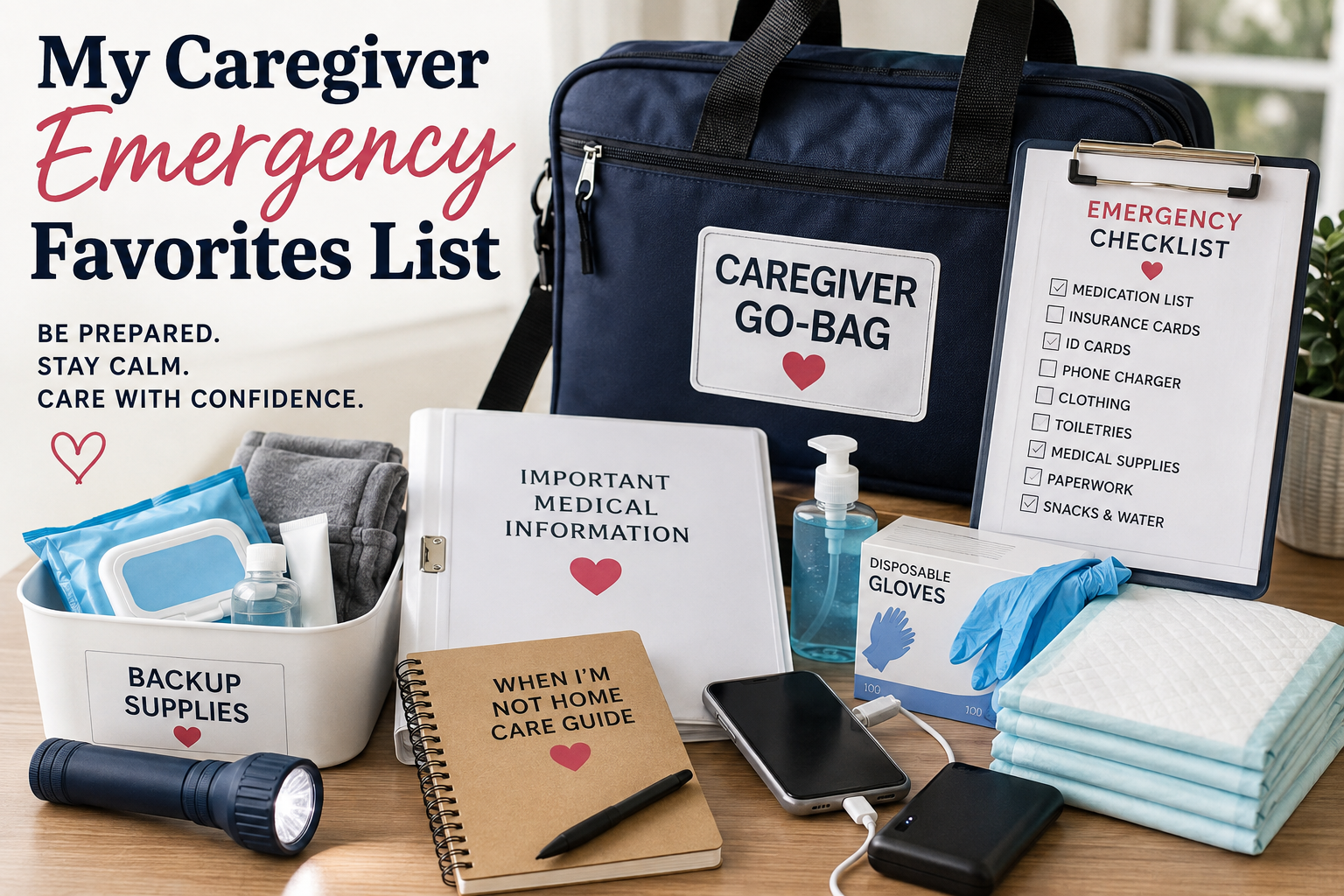
Prepare:
- Emergency contact lists
- Medication records
- Written care instructions
Organization reduces anxiety. More help here:
👉 Caregiver Organization Tips That Reduce Stress and Mental Overload
Emergency & Organization Essentials
👉 Caregiver Medical Information Organizer
Preparedness is self-care.
Let Go of the Need for Validation
One of the most painful parts of solo caregiving is feeling unseen. Many caregivers struggle with self-doubt and emotional insecurity.
If this resonates:
👉 Why Caregivers Doubt Themselves (And How Emotional Insecurity Develops)
You don’t need validation to be doing meaningful work.
Final Thoughts: Solo Caregiving Requires Support—Even If It’s Silent
Being a solo caregiver is not easy, fair, or balanced—but it is deeply human. If caregiving has shaped who you’ve become, you may appreciate:
👉 How Caregiving Changed Me Forever: Identity, Growth, and Loss
Support doesn’t always come from people.
Sometimes it comes from the right tools at the right time.
👉 Explore the Caregiver Products That Helped Me Survive Solo Caregiving
You are not failing.
You are adapting—and that is strength.
Need more caregiving help and daily support?
I share real caregiving tips, tools, and encouragement every day.
👉 Follow The Piney Chemist on Facebook: The Piney Chemist | Caregiving Made Easier
Amazon Affiliate Disclosure
As an Amazon Associate, I earn from qualifying purchases at no extra cost to you. These links help support this site and allow me to continue creating honest caregiving resources.
Amazon and the Amazon logo are trademarks of Amazon.com, Inc, or its affiliates.


Leave a Reply