
As an Amazon Associate I earn from qualifying purchases.
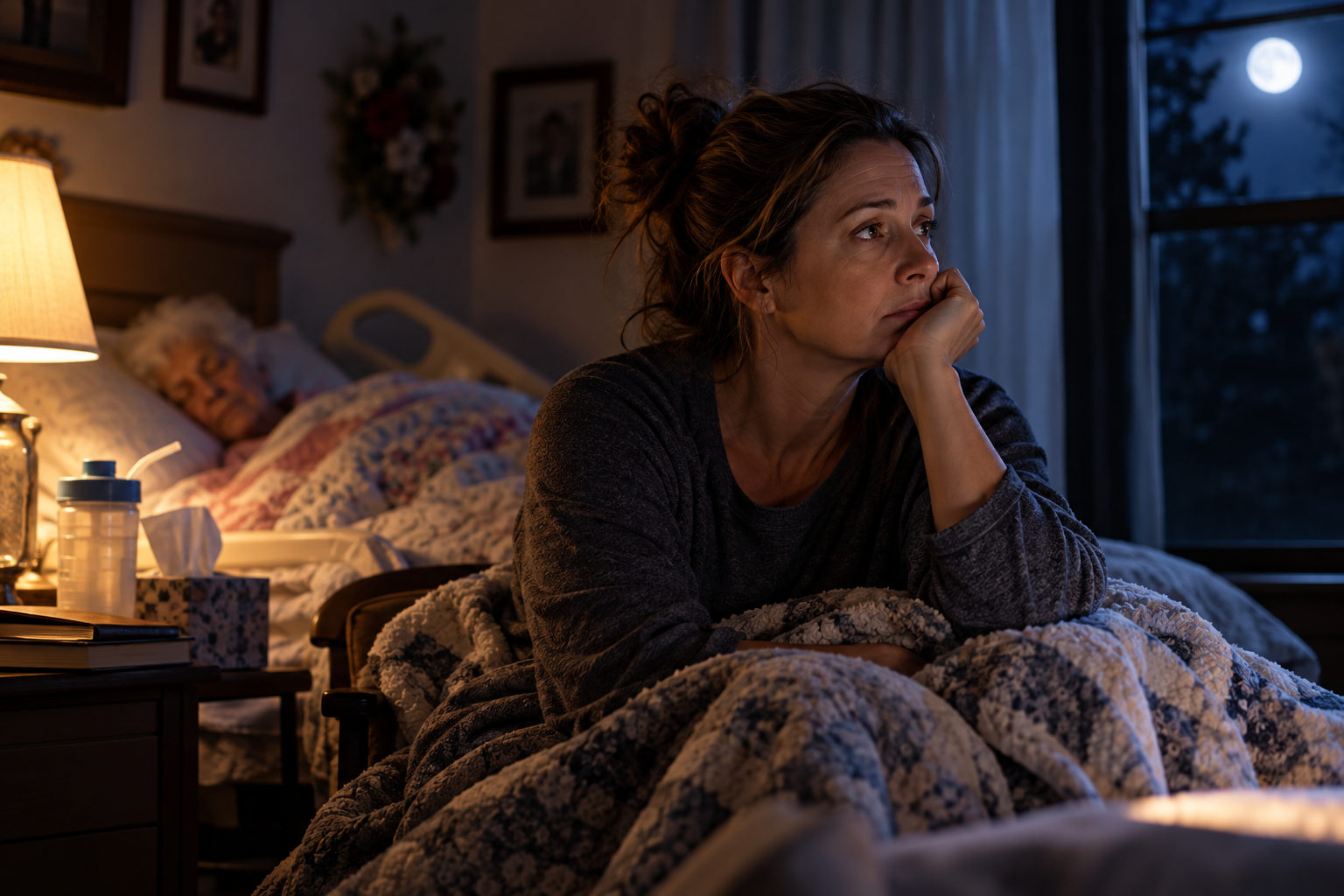
Physical exhaustion is one of the fastest ways caregivers burn out.
It’s not just lifting.
It’s repositioning.
Standing for long periods.
Helping someone up over and over.
Reaching, bending, and supporting body weight daily.
Most caregivers don’t get injured in one moment. It happens slowly — from thousands of small physical tasks.
These products are not luxury items. They are tools that make daily care safer and physically sustainable, especially when you are caregiving alone.
Why Trust Me
I spent 11 years caregiving without help. I share the tools that made daily care safer and less physically exhausting — including products I personally used or wish I had sooner.
Tools That Reduce Caregiver Physical Exhaustion
These are the exact tools many caregivers use daily to prevent injury and reduce physical strain:
👉 Transfer Belt With Handles — safer standing and transfers
[View on Amazon]
👉 Slide Sheets for Bed Repositioning — move without heavy lifting
[View on Amazon]
👉 Bed Assist Rail — reduces the need to lift from bed
[View on Amazon]
👉 Shower Chair — prevents dangerous bathroom strain
[View on Amazon]
👉 Bedside Commode — reduces emergency lifting and falls
[View on Amazon]
👉 Reacher Grabber Tool — prevents constant bending
[View on Amazon]
These tools are commonly used in hospitals and home care to prevent caregiver injury and reduce physical exhaustion.
1. Transfer Belt With Handles
This is one of the most important tools a caregiver can own.
A transfer belt gives you secure handholds so you are not pulling on arms, shoulders, or clothing.
It allows you to assist safely with:
• Standing
• Walking
• Bed transfers
• Chair transfers
• Bathroom assistance
Without a transfer belt, caregivers often use unsafe grips that lead to injury.
👉 Check transfer belts caregivers use most
Internal link: DIY Injury Prevention When You’re Lifting and Helping Alone
2. Slide Sheets Reduce Lifting Force by More Than Half
Repositioning someone in bed is one of the most exhausting tasks caregivers face.
Slide sheets allow you to reposition using glide instead of force.
They help with:
• Turning in bed
• Boosting up in bed
• Repositioning to prevent pressure sores
• Reducing back and shoulder strain
This tool alone can prevent years of physical damage.
👉 See the slide sheets caregivers rely on
Internal link: Back-Saving Products Every Solo Caregiver Should Own
3. Bed Assist Rails Prevent Dangerous Strain
Helping someone sit up from bed repeatedly is exhausting.
Bed rails allow the person receiving care to assist themselves, reducing how much weight you must support.
They provide:
• Stability
• Safer transfers
• Less caregiver lifting
• Fall prevention
Even partial self-assistance reduces caregiver fatigue significantly.
👉 View the most reliable bed assist rails
Internal link: Caregiver Organization Tools That Reduce Mental Overload
4. Shower Chairs Eliminate One of the Highest-Risk Tasks
Standing showers are physically demanding for both caregiver and patient.
Shower chairs allow care to happen safely without full body support.
They reduce:
• Fall risk
• Standing fatigue
• Emergency lifting situations
• Physical strain during bathing
This is considered essential equipment in professional care settings.
👉 See caregiver-recommended shower chairs
5. Bedside Commodes Reduce Walking and Emergency Lifting
Walking long distances to the bathroom creates exhaustion and fall risk.
Bedside commodes reduce urgency situations where caregivers must support full body weight quickly.
They help conserve both caregiver and patient energy.
👉 View bedside commodes caregivers trust
Internal link: Products I Wish I Had Sooner as a Caregiver
6. Reacher Grabber Tools Prevent Constant Bending
Caregivers bend hundreds of times per day.
Reachers allow you to pick up items without bending, twisting, or straining.
They are especially helpful for:
• Floor pickups
• Bedside items
• Clothing
• Dropped medical supplies
This small tool prevents cumulative injury.
👉 See the grabber tool caregivers use daily
Why These Tools Matter More Than Caregivers Realize
Professional caregivers use these tools for a reason.
They are not optional in hospitals or nursing facilities.
But family caregivers are often never told about them.
Without proper tools, injury becomes almost inevitable over time.
Protecting your body protects your ability to continue caregiving.
Most Caregivers Wait Too Long
Many caregivers only discover these tools after injury or severe exhaustion.
Using proper equipment early can prevent:
• Chronic back pain
• Shoulder injuries
• Fatigue-related burnout
• Unsafe lifting situations
These are not luxury purchases.
They are essential safety tools.
Solo Caregiving Is Hard Enough—Staying Organized Shouldn’t Be
When you’re the only caregiver, there’s no one to remind you about appointments, refill supplies, keep track of medications, or remember the questions you wanted to ask the doctor. Every detail lives in your head—and that’s exhausting.
That’s exactly why I created the Caregiver Printable Bundle.
Designed from real solo caregiving experience, these printables give you one place to organize the information you rely on every day, helping you reduce mental overload and feel more in control.
Inside the bundle, you can:
- Organize your day with the Caregiver Command Center.
- Keep medications, dosages, and schedules in one place with the Medication Master List.
- Track symptoms, changes, and important observations before they become easy to forget.
- Keep emergency information ready when every second matters.
- Stay ahead of supplies so you’re not making last-minute trips to the store.
- Prepare for doctor appointments with the Caregiver Appointment Companion.
- Stay organized during overnight care with the Night Shift Checklist.
When you’re doing the work of an entire caregiving team by yourself, having a simple system can make a world of difference.
Related Articles for Solo Caregivers
• Solo Caregiver Survival Guide
• Back-Saving Products Every Caregiver Should Own
• Caregiver Organization Tools That Reduce Mental Overload
• Products I Wish I Had Sooner as a Caregiver
• DIY Injury Prevention When You’re Lifting Alone
Final Thought
Caregiving is already physically demanding.
You should not have to rely on strength alone.
The right tools reduce exhaustion, prevent injury, and make daily care safer for both of you.
Need more caregiving help and daily support?
I share real caregiving tips, tools, and encouragement every day.
👉 Follow The Piney Chemist on Facebook: The Piney Chemist | Caregiving Made Easier
Amazon and the Amazon logo are trademarks of Amazon.com, Inc, or its affiliates.



Leave a Reply