
As an Amazon Associate I earn from qualifying purchases.
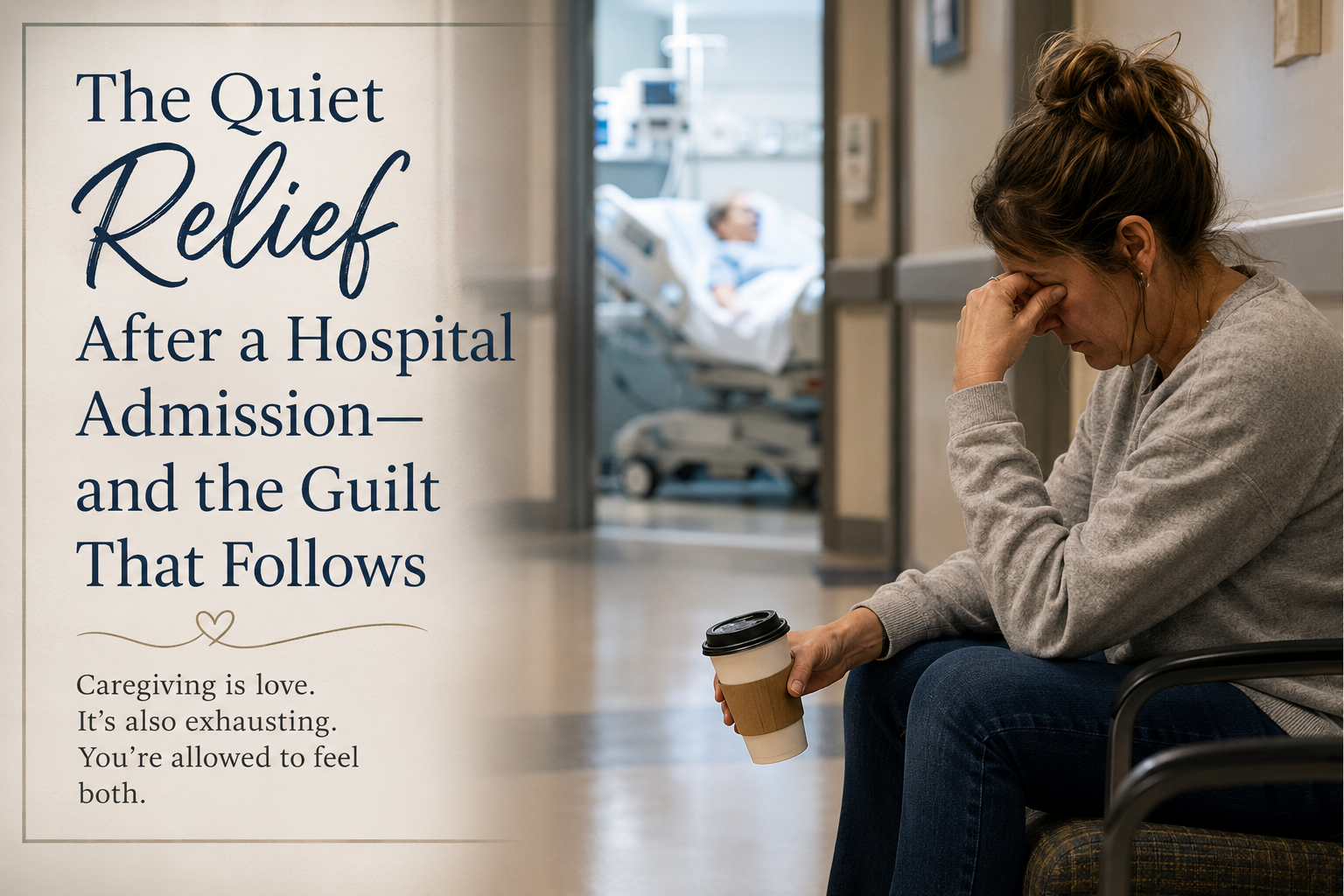
There is a kind of grief that doesn’t come from losing your loved one —
but from losing yourself while caring for them alone.
It’s the grief of being present every day… yet feeling invisible.
The grief of doing everything… with no one asking how you’re holding up.
The grief of realizing that support you expected never came.
This is the hidden grief of being an unsupported caregiver.
And if you’re living it right now, you’re not weak — you’re grieving something very real.
💙 Why You Can Trust This Advice
I didn’t learn this from a textbook — I lived it.
I spent years as an unsupported, solo caregiver, carrying the physical work and the emotional weight mostly alone. I know what it feels like to grieve your old life while still showing up every day for someone you love.
Everything I share here comes from real caregiving experience — the mistakes I made, the burnout I reached, and the tools and coping strategies I wish I had sooner.
This site exists for caregivers who feel invisible, overwhelmed, and unsupported… because I was one of them.
When Caregiving Turns Into Quiet Loneliness
Most people think grief only happens after death.
But unsupported caregivers grieve long before that.
You grieve:
- The life you used to have
- The version of yourself who had freedom
- The relationships that changed
- The family members who disappeared
- The future you imagined
Even when your loved one is still alive, something inside you is already mourning.
You’re carrying responsibility, exhaustion, fear, and love — all at once — without backup.
This is especially common for solo caregivers or those whose families “could help” but don’t.
👉 You may also relate to:
How to Be a Solo Caregiver Without Burning Out
The Grief No One Talks About: Feeling Abandoned
One of the deepest wounds of unsupported caregiving is not just physical exhaustion — it’s emotional abandonment.
You notice:
- Siblings who don’t call
- Friends who slowly fade away
- Family members who assume you’re “handling it”
- People who don’t understand why you’re tired
Over time, this creates a quiet but heavy grief:
“Why is this all on me?”
“Why doesn’t anyone see what I’m carrying?”
“Why do I feel so alone in this?”
That grief doesn’t always look like crying.
Sometimes it looks like numbness.
Sometimes anger.
Sometimes guilt for resenting the people who left.
All of it is normal.
Why This Grief Is So Hard to Explain
Unsupported caregiver grief is complicated because:
- Your loved one is still here
- You don’t feel “allowed” to grieve
- Society praises self-sacrifice
- You’re too busy surviving to process emotions
So you keep going.
You show up.
You manage medications.
You lift, clean, schedule, advocate, and worry.
And somewhere inside, you quietly mourn the part of you that disappeared.
This is closely tied to identity loss, which many caregivers don’t realize is happening.
👉 Read more here:
When Caregiving Takes Over Your Identity
Burnout Isn’t Just Fatigue — It’s Emotional Loss
Many unsupported caregivers think they are “just tired.”
But what they’re really experiencing is grief layered on top of burnout.
Burnout shows up as:
- Constant exhaustion even after rest
- Emotional shutdown
- Feeling trapped
- Losing patience with yourself
- Crying when alone
- Feeling guilty for wanting a break
That’s not failure.
That’s grief mixed with survival mode.
If this feels familiar, you may find clarity here:
Signs of Caregiver Burnout You Shouldn’t Ignore
Small Ways to Protect Yourself When Support Is Missing
You may not be able to change who shows up —
but you can protect your energy and emotional health.
Here are a few things that helped me.
1. Accepting That I Needed Tools, Not Just Strength
There is no award for suffering in silence.
Simple tools can ease the physical load and protect your body and mind:
- Bed mobility aids
- Night lights
- Organization systems
- Monitoring cameras
- Hygiene products that reduce stress
These are not luxuries.
They are survival supports.
👉 I share the exact items that helped me here:
Products I Wish I Had Sooner
2. Giving Your Grief a Place to Land
Writing, journaling, or simply naming your feelings matters.
You don’t have to be positive.
You don’t have to be grateful every minute.
You are allowed to feel sad for what this has cost you.
Grief needs somewhere safe to exist — otherwise it turns into exhaustion.
If you use journaling as emotional release, this may help:
Caregiver Journaling Prompts for Emotional Release
3. Finding Connection Where You Can
Sometimes the support doesn’t come from family.
Sometimes it comes from other caregivers who understand without explanation.
Online communities, blogs, and shared stories remind you:
- You are not broken
- You are not weak
- You are not imagining how hard this is
You deserve to be seen.
You Are Allowed to Grieve and Still Love Deeply
Grief does not cancel love.
Love does not cancel grief.
You can:
- Love your person fiercely
- And still grieve your own loss
- Be grateful
- And still be overwhelmed
- Be strong
- And still need help
These truths can coexist.
Unsupported caregiving creates a unique emotional pain that deserves language, compassion, and care.
Don’t Forget to Take Care of the Caregiver
Most caregiving resources focus on medications, appointments, and the person you’re caring for. Those things matter—but so do you.
One of the biggest mistakes I made was ignoring my own warning signs. I kept telling myself I’d rest later, eat later, and deal with the stress later. Eventually, later caught up with me.
That’s why I created my Caregiver Burnout Check-In printable.
Instead of tracking your loved one’s health, this one helps you notice patterns in your own well-being before burnout takes over. In just a minute or two, you can check in with your energy, stress, sleep, emotions, and physical health to spot changes that are easy to miss when every day feels the same.
Sometimes the first step toward avoiding burnout isn’t doing more—it’s finally paying attention to yourself.
🟢 Get the Caregiver Burnout Check-In Printable
It’s simple, printable, editable in Microsoft Word, and designed from real caregiving experience—not theory.
A Gentle Reminder for You
If no one has told you lately:
You matter too.
Your grief is valid.
Your exhaustion makes sense.
Your feelings are not selfish.
And you don’t have to walk this silently.
If you need support right now, start here:
- How to Be a Solo Caregiver Without Burning Out
- Signs of Caregiver Burnout You Shouldn’t Ignore
- Products I Wish I Had Sooner
You deserve support — even when others fail to give it.
Need more caregiving help and daily support?
I share real caregiving tips, tools, and encouragement every day.
👉 Follow The Piney Chemist on Facebook: The Piney Chemist | Caregiving Made Easier
Amazon and the Amazon logo are trademarks of Amazon.com, Inc, or its affiliates.


Leave a Reply