Real Caregiving Support,
from someone who’s been there.
● Featured Article
-
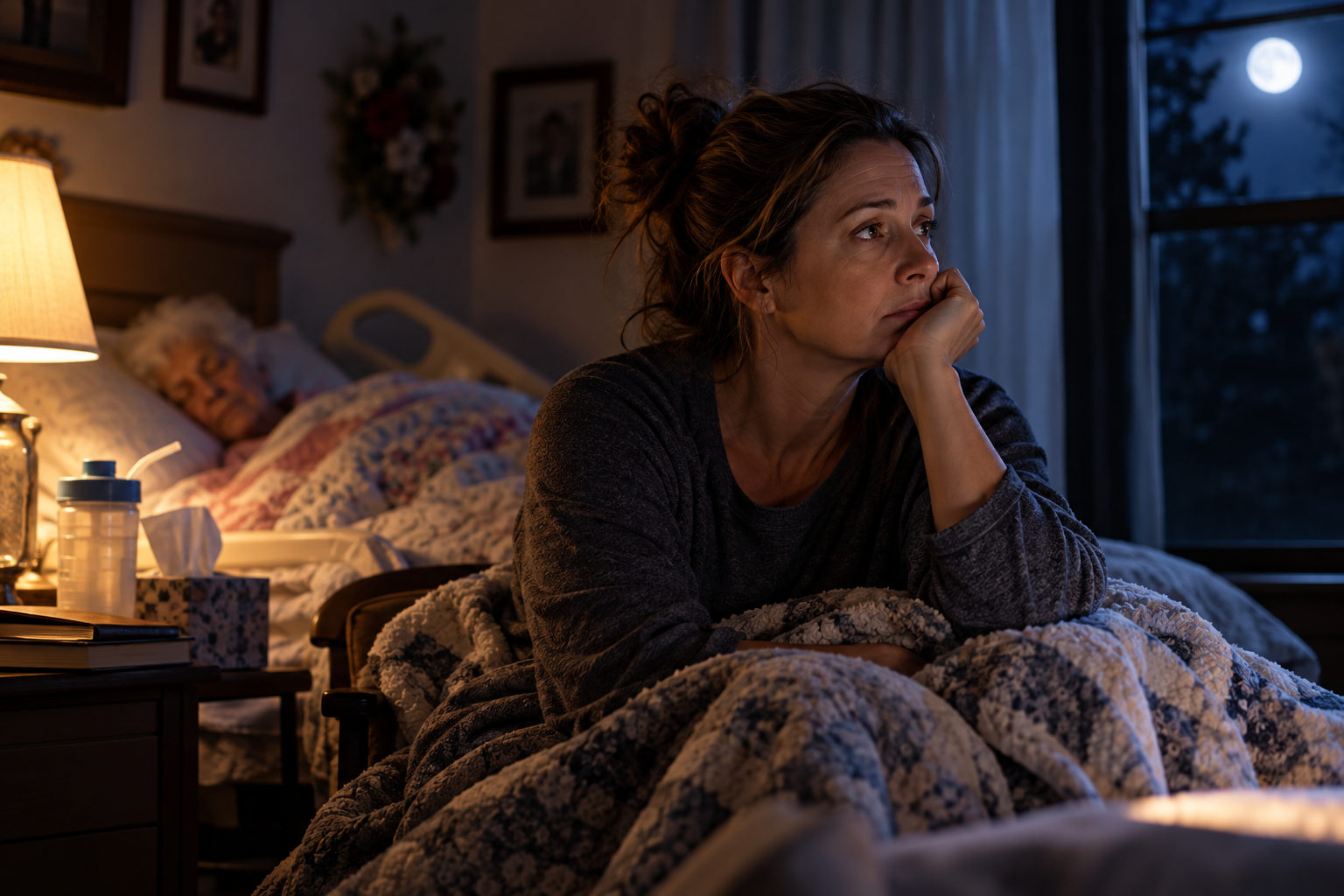
There was something about nighttime that made caregiving feel heavier. During the day, I could stay busy. There were medications to give, things to clean, phone calls to make, appointments to think about, supplies to keep track of, and a hundred little problems demanding my attention. But nighttime was different.…
● Latest Articles
-
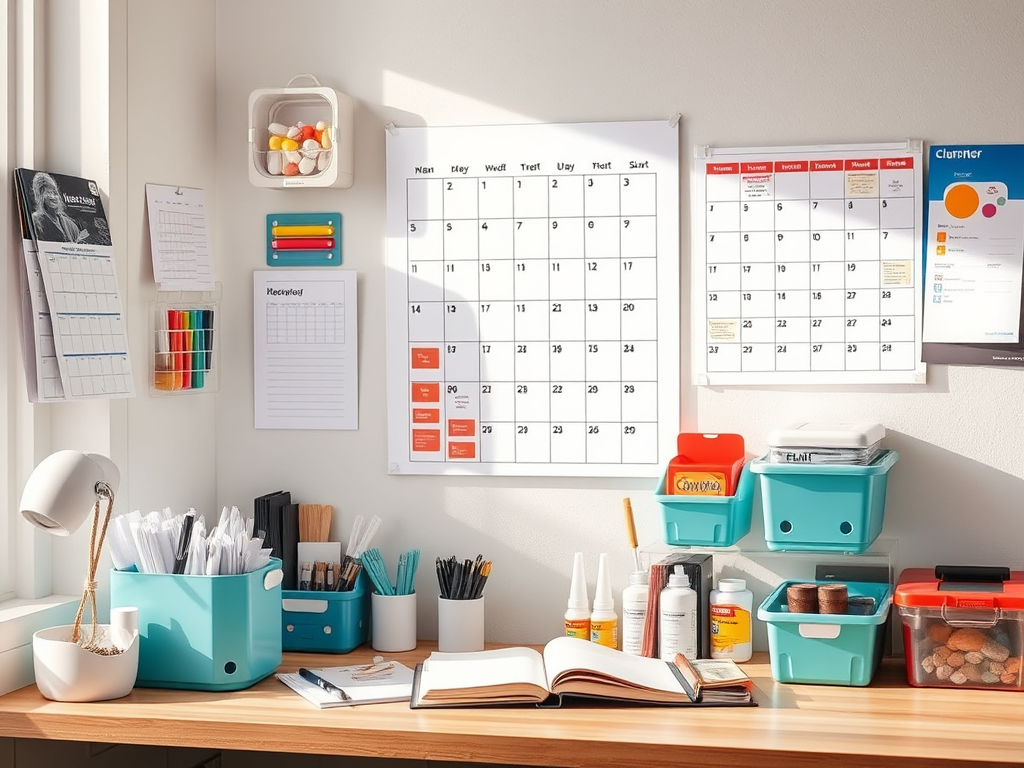
Caregiver Organization Tools That Reduce Mental Overload
(Because holding everything in your head is exhausting) Caregiving doesn’t just drain your body — it overloads your brain. Appointments, medications, supplies, routines, paperwork, emergencies,…
-

Must-Have Caregiver Items for Stroke Survivors (That Actually Make Daily Care Easier)
Stroke caregiving changes everything — often overnight. One day you’re managing normal routines. The next, you’re helping with mobility, toileting, transfers, communication, and safety —…
-

You’re Not Weak — You’re Just Doing This Alone
There’s a thought many caregivers carry quietly: “If I were stronger, this wouldn’t feel so hard.” But that thought isn’t truth — it’s survival talking.…
-

Must-Have Caregiver Items for Women Who Are Doing It All
Most caregiver injuries don’t happen during emergencies.They happen during daily routines — helping someone out of bed, rushing to the bathroom, bending one more time…
● About Me

Caregiver. Chemist. Human.
I’m Meggen — the heart behind The Piney Chemist. After years of intensive caregiving without much support, I started sharing the tools, lessons, and truths I wish someone had told me sooner. This space is for caregivers who feel tired, invisible, and overwhelmed — but keep going anyway. You’re not alone here.
Follow The Piney Chemist on Facebook for daily caregiving tips → [The Piney Chemist Caregiving Made Easier]