
As an Amazon Associate I earn from qualifying purchases.
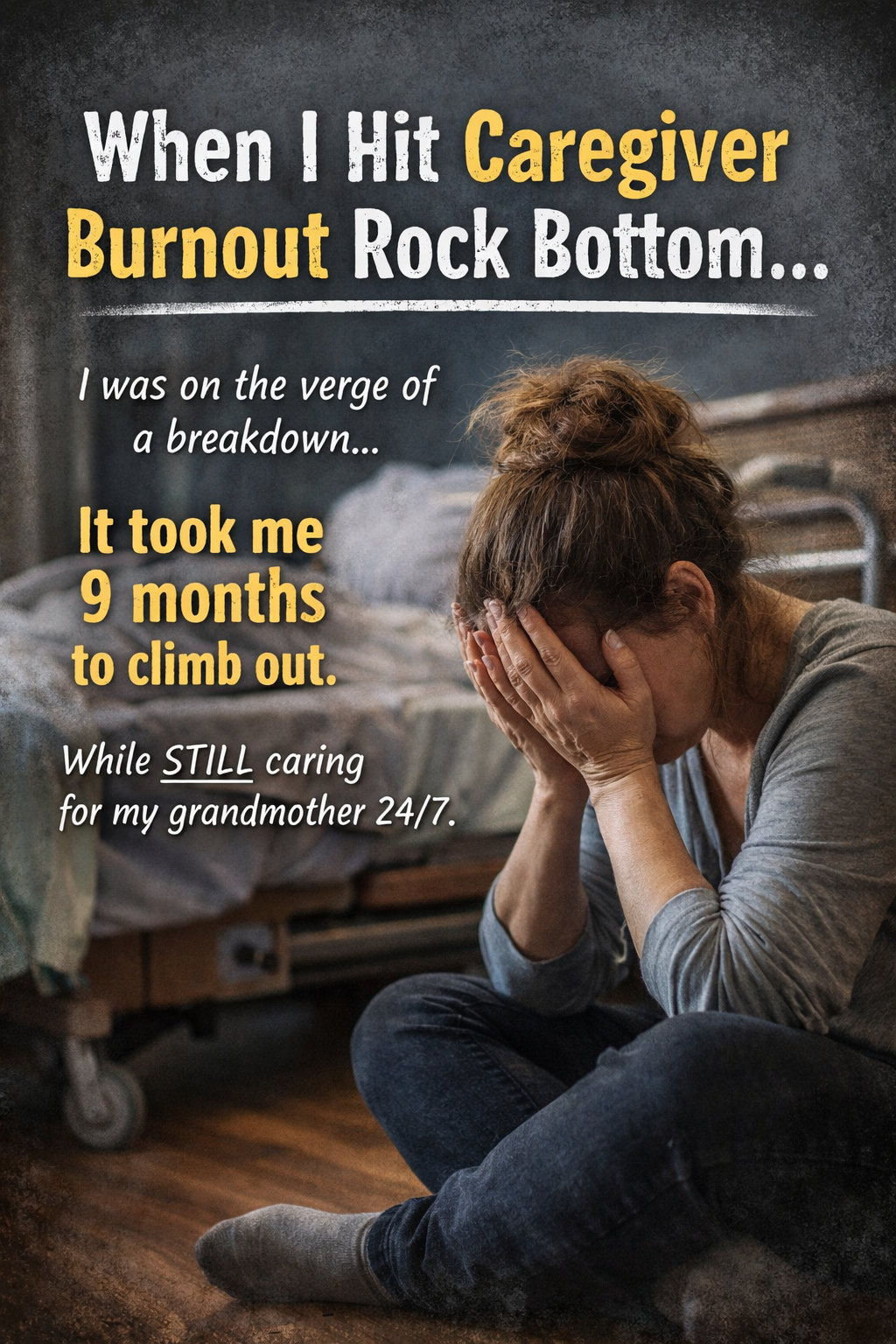
There’s a moment many caregivers experience—but rarely talk about.
It’s not burnout.
It’s not just exhaustion.
It’s the realization that you no longer recognize yourself.
You don’t remember what you liked before caregiving.
You don’t know how to answer when someone asks, “How are you?”
Your days revolve around medications, appointments, meals, safety, and someone else’s needs.
And somewhere along the way, you disappeared.
This isn’t a personal failure.
It’s what happens when caregiving becomes all-consuming.
How Caregiving Slowly Rewrites Who You Are
Caregiving rarely arrives all at once. It creeps in quietly.
At first, you’re just helping.
Then you’re managing.
Then you’re coordinating.
Then you’re responsible for everything.
Over time:
- Your routines change
- Your priorities shrink
- Your world gets smaller
- Your identity becomes functional, not personal
You stop being you and start being:
- “The caregiver”
- “The responsible one”
- “The one who knows what to do”
Even your sense of worth can become tied to how well you’re holding everything together.
That’s a heavy thing to carry.
🔗 Read This Next: If Caregiving Is Wearing You Down
Caregiver Burnout Isn’t a Personal Failure
Burnout doesn’t mean you’re doing something wrong — it means you’ve been doing too much for too long without enough support. This article explains why caregiving exhaustion runs deeper than “being tired” and what actually helps.
👉 Read: Signs of Caregiver Burnout You Shouldn’t Ignore
Why This Loss Feels So Disorienting
When caregiving takes over your identity, the loss is subtle—but profound.
You’re not just tired.
You’re grieving versions of yourself that no longer have space to exist.
You may grieve:
- Your independence
- Your spontaneity
- Your hobbies
- Your social life
- Your sense of future
And because caregiving is framed as loving and selfless, it can feel wrong to admit this grief.
But missing yourself doesn’t mean you love them less.
It means you’re human.
“Who Am I If I’m Not Needed Every Minute?”
This question haunts many caregivers—especially those doing it alone.
When your days are built around constant vigilance, your nervous system adapts to urgency. Rest can feel unsafe. Quiet can feel uncomfortable. Freedom can even feel empty.
You may notice:
- Anxiety when things are calm
- Guilt when you take time for yourself
- A sense of being “on edge” even when nothing is wrong
This isn’t weakness.
It’s what happens when caregiving trains your body and mind to survive long-term stress.
Your identity didn’t vanish — it’s been buried under responsibility.
🔗 Read This If You’re Doing This Alone
When You’re the Only One Showing Up
Solo caregiving changes everything — your energy, your identity, and your emotional load. If caregiving has taken over your life and you feel invisible or unsupported, this post was written for you.
👉 Read: You’re Not Weak — You’re Just Doing This Alone
Reclaiming Yourself Doesn’t Mean Abandoning Them
This is important:
You do not have to stop caregiving to start existing again.
Reclaiming your identity starts small — and gently.
It might look like:
- One uninterrupted cup of coffee
- One honest journal entry
- One boundary you stop apologizing for
- One small change that makes daily care take less out of you
Sometimes the first step isn’t doing more for yourself —
It’s reducing how much caregiving takes from you.
Support, structure, and practical tools don’t replace love.
They protect you.
🧰 When You’re Doing This Alone, Support Is Protection
When you’re caregiving without backup, tools aren’t a luxury —
they’re how you protect your body, your energy, and what’s left of your identity.
Solo caregiving often means:
- No one to trade off with
- No recovery time after hard moments
- No margin for injury or burnout
Using the right tools doesn’t mean you’re doing less.
It means you’re making this survivable.
Many solo caregivers quietly rely on:
- Medication organizers or timed dispensers to reduce mental load
- Motion-activated night lights to protect sleep and prevent falls
- Transfer aids or grab bars to protect backs and joints when lifting alone
- No-rinse or disposable hygiene products on days when energy is gone
- Simple routines or checklists to reduce decision fatigue
These supports don’t replace care.
They preserve the caregiver.
👉 Caregiving Tools That Make Solo Caregiving More Sustainable
You Are More Than the Role You’re Performing
Caregiving may be what you’re doing — but it is not who you are.
You are still:
- A person with preferences
- A person with limits
- A person who deserves rest
- A person who existed before this chapter
If caregiving has taken over your identity, you’re not broken.
You’ve just been giving everything you have — without enough support.
And it’s okay to want parts of yourself back.
🔗 For When You Wonder What Comes After
Life After Caregiving Can Feel Unsettling — Even Before It Ends
Many caregivers lose their sense of self long before caregiving is over. If you’re quietly wondering who you’ll be when this chapter changes, this article walks through the emotions no one prepares you for.
👉 Read: Life After Caregiving: How to Reclaim Yourself
A Final Word
If this post put words to something you’ve been feeling quietly, that matters.
You’re allowed to miss yourself.
You’re allowed to need help.
You’re allowed to exist beyond caregiving.
And you don’t have to figure that out all at once.
Need more caregiving help and daily support?
I share real caregiving tips, tools, and encouragement every day.
👉 Follow The Piney Chemist on Facebook: The Piney Chemist | Caregiving Made Easier
Amazon and the Amazon logo are trademarks of Amazon.com, Inc, or its affiliates.

Leave a Reply