
-

Anticipatory Grief: Loving Someone Who Is Slowly Declining
There’s a kind of grief no one really prepares you for. It doesn’t come after loss.It comes before it. It shows up quietly… while you’re still caregiving. While your person is still here. While you’re still doing everything you can to hold things together. This is called anticipatory grief — and if you’re feeling it,…
-
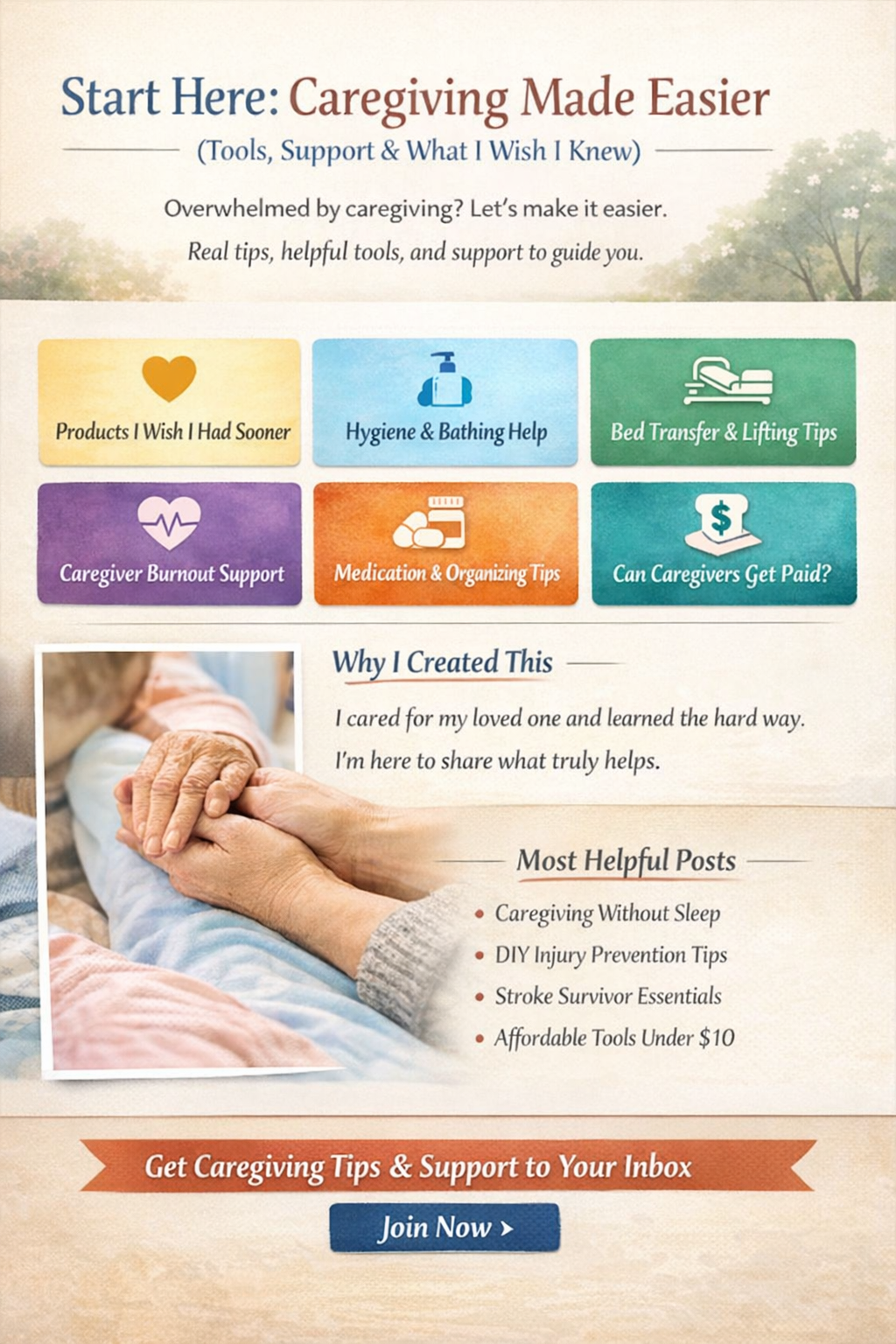
Start Here: Caregiving Made Easier (Tools, Support & What I Wish I Knew)
If you’re caregiving and feeling overwhelmed, start here. Real tools, real support, and what I learned from doing caregiving the hard way—so you don’t have to. Looking for something from a recent post? Choose a section below. 💛 Products I Wish I Had Sooner The tools that would have saved me time, energy, and stress…
-

Essential Caregiver Qualities That Build Trust and Compassion
Understanding the essential caregiver qualities is key to delivering safe, compassionate, and effective care. Whether you’re a family caregiver or a professional caregiver, developing these core skills improves the caregiving experience for both you and the care recipient. Many caregivers begin this journey without support—especially those navigating caregiving without a support system (internal link)—making these…
-

Why Caregiver Privacy Matters (And How to Protect It at Home)
Caregiver privacy is often overlooked—yet it’s essential for the well-being of both the caregiver and the person receiving care. When you share a home with someone you support, personal space can feel limited, and your identity can slowly blur into the caregiving role. Still, with intention and small, consistent routines, it is possible to protect…
-

Encouragement Matters: How Small Words Create Positivity on Hard Caregiving Days
Encouragement has a quiet power. It doesn’t fix everything, but it changes how heavy things feel. In caregiving—and in life—positivity isn’t about pretending things are easy. It’s about choosing words, thoughts, and actions that help someone keep going. For many caregivers, especially those navigating caregiving without consistent support, encouragement becomes a survival skill. If this…
-

Encourage Confidence Through Grooming: Why Small Care Routines Matter More Than You Think
Caregiving often focuses on the biggest responsibilities—medications, appointments, meals, and safety. But some of the most meaningful moments of care happen quietly, in front of a bathroom mirror or during a few extra minutes spent helping with grooming. Personal grooming isn’t about vanity. It’s about dignity, identity, and confidence—especially for care recipients who may feel…
-

How Better Communication Strengthens Caregiving and Reduces Daily Stress
Caregiving isn’t just about tasks — it’s about connection. From medication reminders to emotional reassurance, communication shapes every caregiving moment. When communication breaks down, stress rises, misunderstandings grow, and both caregivers and care recipients feel unheard. I learned early on during my years as a full-time caregiver that how I spoke mattered just as much…
-

Boost Care Quality With Better Organization
How Simple Systems Can Reduce Stress and Improve Daily Care Caregiving is rarely chaotic because you’re doing something wrong. It’s chaotic because too many responsibilities live only in your head. Appointments, medications, supplies, routines, symptoms, emotions — when nothing has a place, everything feels urgent. Over time, that constant mental juggling erodes your energy, patience,…
-

Inside Caregiving’s Emotional Insecurity: The Struggles Caregivers Don’t Share
Caregiving didn’t just change my schedule.It changed how safe I felt in the world. That part doesn’t get talked about enough. When people think about caregiving stress, they picture exhaustion, long days, physical strain, or medical responsibility. All of that is real. But underneath it—quietly, constantly—there’s something else many caregivers carry: Emotional insecurity. It’s the…
-

The Hidden Struggles of Overly Caring Caregivers
Some caregivers don’t struggle because they care too little. They struggle because they care too much. Overly caring caregivers are often praised for being selfless, devoted, and dependable. On the outside, they look like they’re “handling it.” On the inside, they’re carrying emotional weight no one sees—because their pain doesn’t come from neglect, but from…